Got a Picky Eater at Home? 7 Simple Ways to Make Mealtimes Easier

Being a mother of a toddler, a school-age child or an adolescent which thought haunts you and keeps you worried all the time? It is your child’s eating habits!!! You might be going over the board thinking about how to create a balance between taste and nutrition for your picky eater child.
Remember your childhood days when you loathed having greens and other strong-flavoured foods. But you do like them now. Why?? Children are actually born with more taste buds and a heightened sensitivity to bitter flavours — an evolutionary defence against eating harmful plants. This sensitivity naturally decreases with age, but repeated, positive exposure to new foods is equally important. Research shows that children often need to try a food 10–15 times before accepting it. Don't give up, familiarity breeds tolerance! And you have a consolation there, one day your picky eaters might start taking those greens with pleasure. Until then, to make them eat nutritious food following tips might come in handy:
Go one by one
When introducing new foods into the diet. This facilitates observing the response of the child to food. It also helps to find out if, in case, the child is allergic to any food.
Change the form
If your child does not like a particular food, try to change the form of that food and see the response. E.g, if the child does not like spinach as saag, in that case, you can try making it as palak paneer or kofta instead.
Be Encouraging
Our food choices generally rub on our children. So even if I do not like a food, I try not to show my dislike or displeasure. Children should be encouraged to try most foods eaten by the family.
Avoid Monotony
Variety in choice of foods and innovation in the recipes is important to avoid monotony. Even the slightest change, like a change in the shape of chapatti might make your child interested in the meal.
Try the trick of camouflaging
Most children are picky about eating fruits and vegetables. Add these foods in invisible mode. For example, we can add vegetables as stuffing/topping or chopped too fine to get noticed, and fruits can be added in milk, pureed, and added to certain desserts (e.g. custards). Hiding vegetables in food can be a useful short-term strategy to ensure your child gets nutrients, but it works best when combined with open exposure. Serve the 'hidden' vegetable also in its visible form alongside the meal, without pressure. Studies suggest that children who are repeatedly exposed to a food, even just seeing it on their plate, gradually build acceptance. Think of camouflaging as a bridge, not a permanent solution.
If your child refuses to drink milk, we can compensated for the deficiency of calcium by including foods like curd, cheese, yoghurt ,or from sardines, and other fish that contain fine bones. For vegetarians we can add til (sesame), ragi to the diet. These not only have a high amount of calcium but are also good source of protein.
Pack a wholesome lunch: The packed lunch should include carbohydrates (rice/chapati/parantha), proteins (pulses, paneer, soy nuggets, egg / non-veg) and vitamin minerals (vegetables and fruits). Few examples of packed lunches: Vegetable and nutri-nuggets Pulao & fruit; Methi/palak parantha with fruit; Dal parantha & fruit; Paneer sandwich & fruit, etc.
In dealing with your picky children while eating, you need to be patient. Remember that our patience is worth our child's health.

Shruti Marjara Kushwaha
Nutritionist & Founder, NutriMantra
Shruti blends evidence-based nutrition with practical Indian food guidance, shaped by experience across AIIMS, VLCC, HealthKart, research, counselling, and long-term lifestyle support.
Need help applying this to your routine?
Book a consultation with Shruti for practical, personalised nutrition guidance tailored to your goals, food preferences, and health conditions.
Frequently Asked Questions
How can I encourage my child to eat more vegetables in their diet?
What are some creative ways to make meals less monotonous for my finicky eater?
Is it okay to hide healthy foods in my child's meals?
What alternatives can I offer if my child refuses to drink milk?
Learn with Shruti



Related Articles
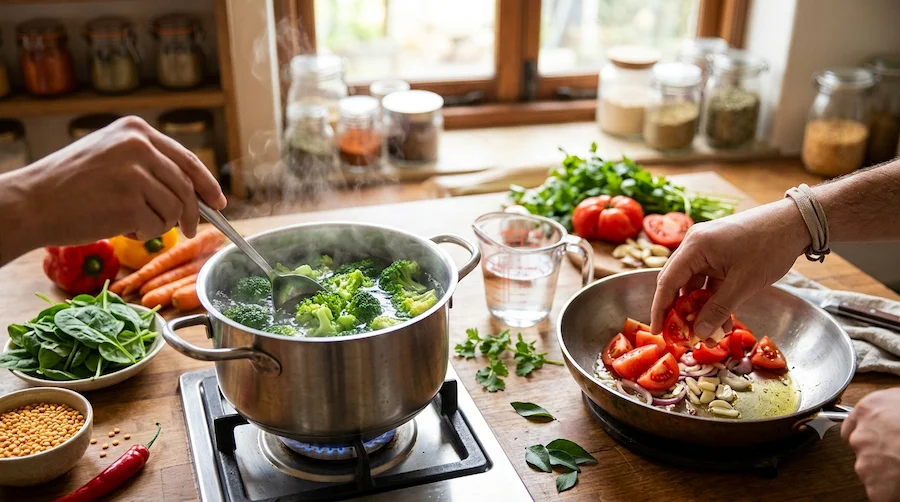
Are You Cooking the Nutrition Out of Your Food?
Cooking doesn’t automatically drain nutrition. Use less water, avoid overcooking, and remember that dal, sambar and curries retain nutrients in their cooking liquid.
Read article →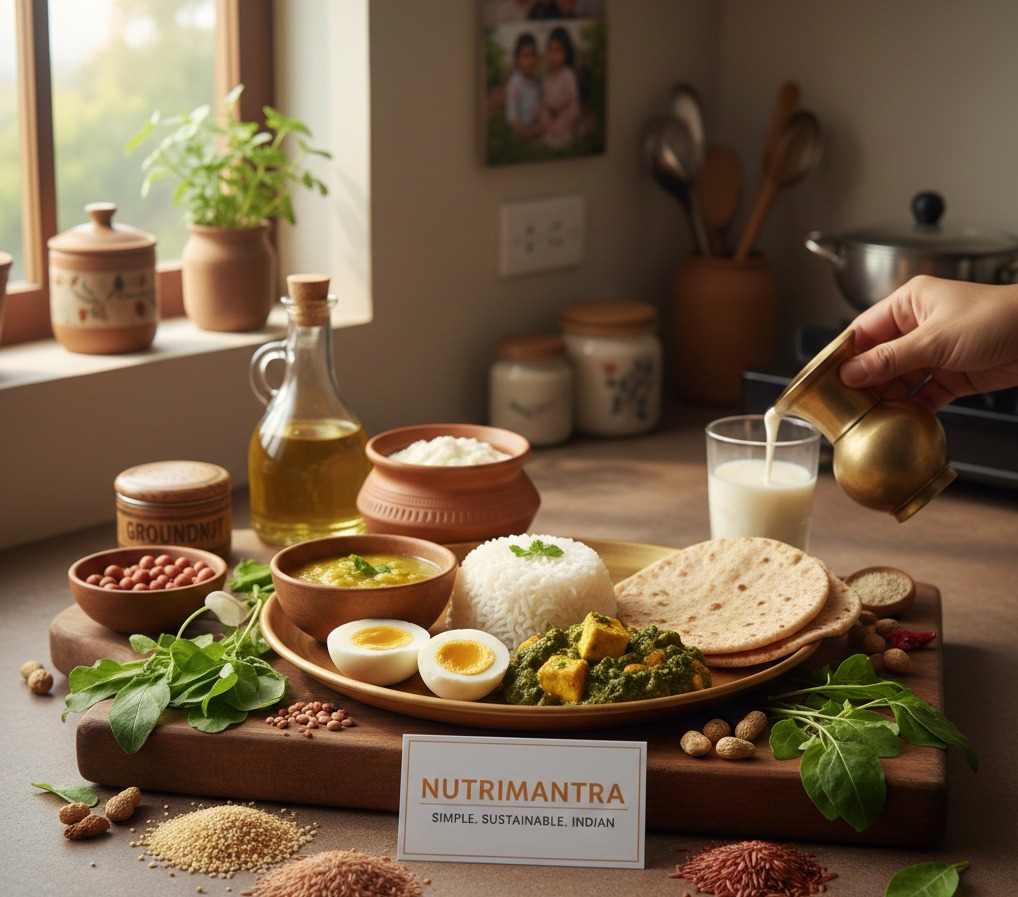
Healthy Eating Shouldn't Feel Like a Luxury
Let’s be honest: most of us have looked at a recipe, seen ingredients like kale or avocado, and thought, "My wallet and my kitchen aren't ready for this." At N…
Read article →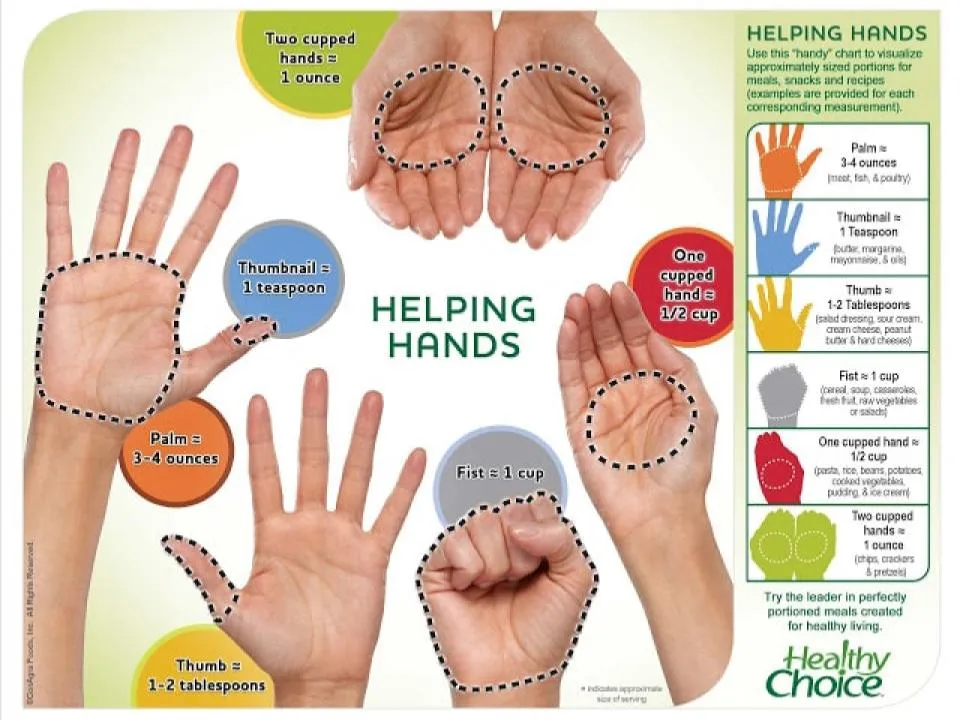
The Art of Portion Control: Eat Smart Without Feeling Deprived
Have you ever opened a family-size packet of chips and finished it in one go? You didn’t plan to finish it, but it happened anyway.
Read article →
Comments (0)
No comments yet. Be the first to share your thoughts.
Leave a Comment
Your comment will appear after moderation.