Food and Medicine: Do they mix well?
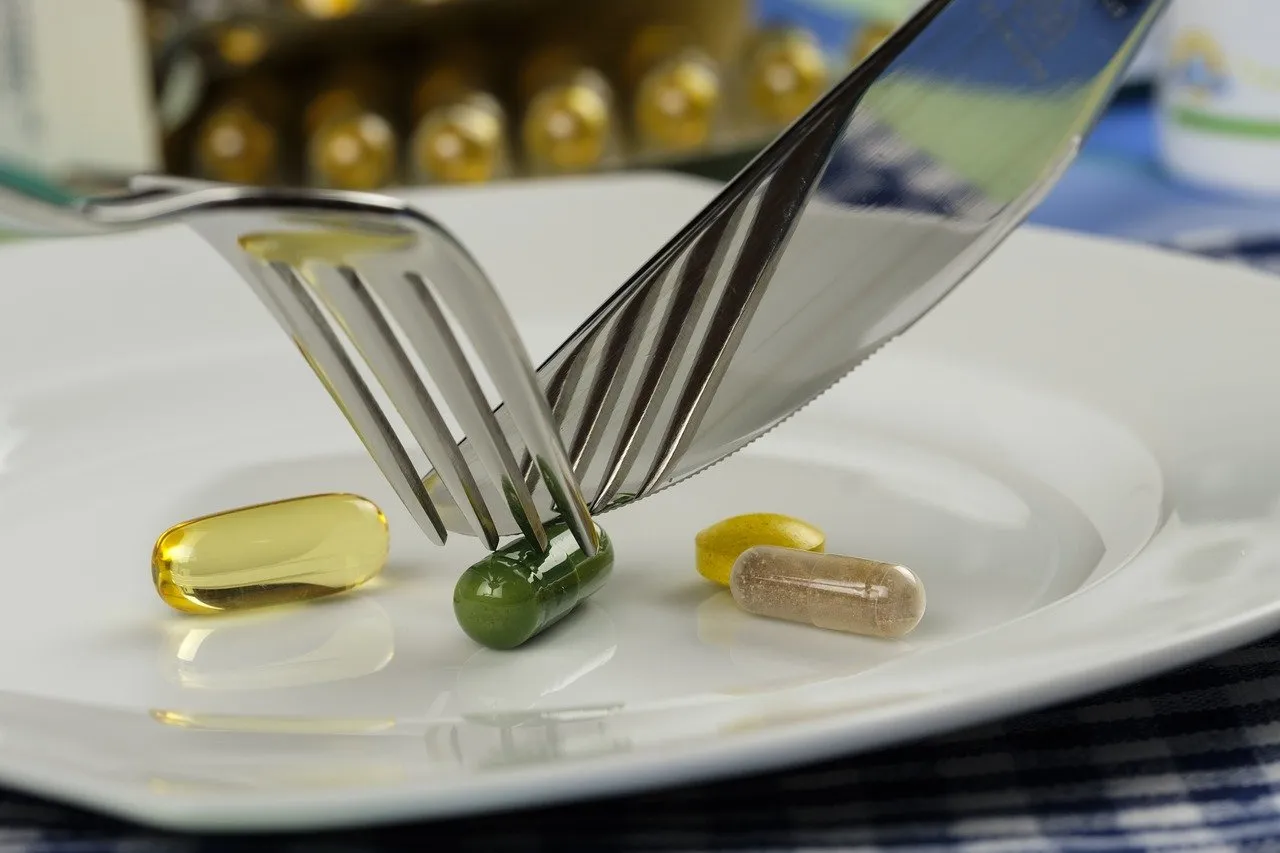
Medicines and nutrients when intermingling in our body can alter each other's effectiveness. It is very important to know their effect on one another especially in people who are on prolonged medication or those who need lifelong supplementation of nutrients.
Several ways exist in which a medicine can interact with foods or nutrients present in foods, potentially altering the absorption or utilization of a nutrient by the body. Similarly, nutrients present in the diet can affect medicines by altering their metabolism which can lead to medications working faster, slower or can even create hindrance in their working.
All this possibly means that medicines may lead to nutritional deficiencies or that your diet may change how a medication works. But this does not mean that if you are taking a medication you need to use a dietary supplement. A medication for a short time, say a week or ten days, is not going to affect you adversely. However, long term usages for months or years might affect your nutritional status.
How does a Medicine affect Nutritional Status?
Medicines might decrease appetite: Several cancer medications and treatments may cause nausea, vomiting, and dry mouth, resulting in poor food intake.
Medicines might decrease the absorption of certain nutrients: e.g. Laxatives can decrease the absorption of many vitamins and minerals because they increase the movement of food in the intestines and can cause poor nutrient absorption.
Certain antacids can prevent phosphorus from being absorbed and used by the bones. Long-term usage could result in muscle weakness and osteomalacia (soft, brittle bones and severe pain in walking).
Some cholesterol-lowering medications reduce cholesterol by removing bile acids (derived from cholesterol). The absorption of fat-soluble vitamins (A, D, E, and K) requires bile acids. A lesser quantity of bile acids in the body can reduce the absorption of these vitamins and their subsequent deficiencies.
Medicines may slow down nutrient production: Our body synthesises certain nutrients like Vitamin K and B12 in the intestines with the help of friendly bacteria. Antibiotics kill these friendly bacteria along with the harmful ones which decrease the amount of vitamins produced in the intestine. Potassium plays a crucial role in the proper functioning of the heart and other muscles, while sodium is essential for facilitating the entry of glucose into the cell.
How does food affect the effectiveness of a medicine?
Food can increase or decrease the absorption of the medicine. Absorbing less than the required amount may decrease the effect and absorbing more increases the chances for overdose. It is important to read the instructions either mentioned on the medicine or the medicine should be taken as per physician’s directions because some medicines should be taken with food, some on an empty stomach and some need to be taken few hours after eating. A flaw in following the directions can lead to over / under dosage.
Also, the type of food or beverage consumed with medicine can affect its absorption. Take the medicine with water, as the effectiveness of the medication might be reduced when consumed with soft drinks or juices. Certain supplements are advised to be taken with other beverages e.g. calcium with milk and iron with citrus juices to enhance their absorption.
Who is at risk of these interactions?
- People taking two or more medications at the same time
- Those who don’t follow proper directions for having the medicine
- People who need to take medications for long periods of time
How to Lower the Risk of these interactions?
- Eat a balanced diet
- Follow directions on how to take medicines
- Do not self medicate, be it prescription medicines, over the counter medicines or dietary supplements
- Read warning labels
- Tell your doctor about the medicines, herbal products or supplements you are taking at the time of consultation. Additionally, inform the physician about any allergies you have to any class of drugs.
The crux is to follow the guidelines given by the physicians to avoid an overdose of medicine or a deficiency of any nutrient inside our bodies.
Image by Bruno /Germany from Pixabay

Shruti Marjara Kushwaha
Nutritionist & Founder, NutriMantra
Shruti blends evidence-based nutrition with practical Indian food guidance, shaped by experience across AIIMS, VLCC, HealthKart, research, counselling, and long-term lifestyle support.
Need help applying this to your routine?
Book a consultation with Shruti for practical, personalised nutrition guidance tailored to your goals, food preferences, and health conditions.
Frequently Asked Questions
How can medicines affect my diet and nutritional intake in India?
Are there specific Indian foods I should avoid while taking medications?
Can long-term medication lead to nutritional deficiencies in Indian diets?
What are the best dietary practices for someone on long-term medication in India?
Learn with Shruti


Related Articles
Nutrients affecting Digestive Health
We need a healthy digestive system to assimilate the food we eat; but little do we know that these nutrients are also needed to keep the digestive system healt…
Read article →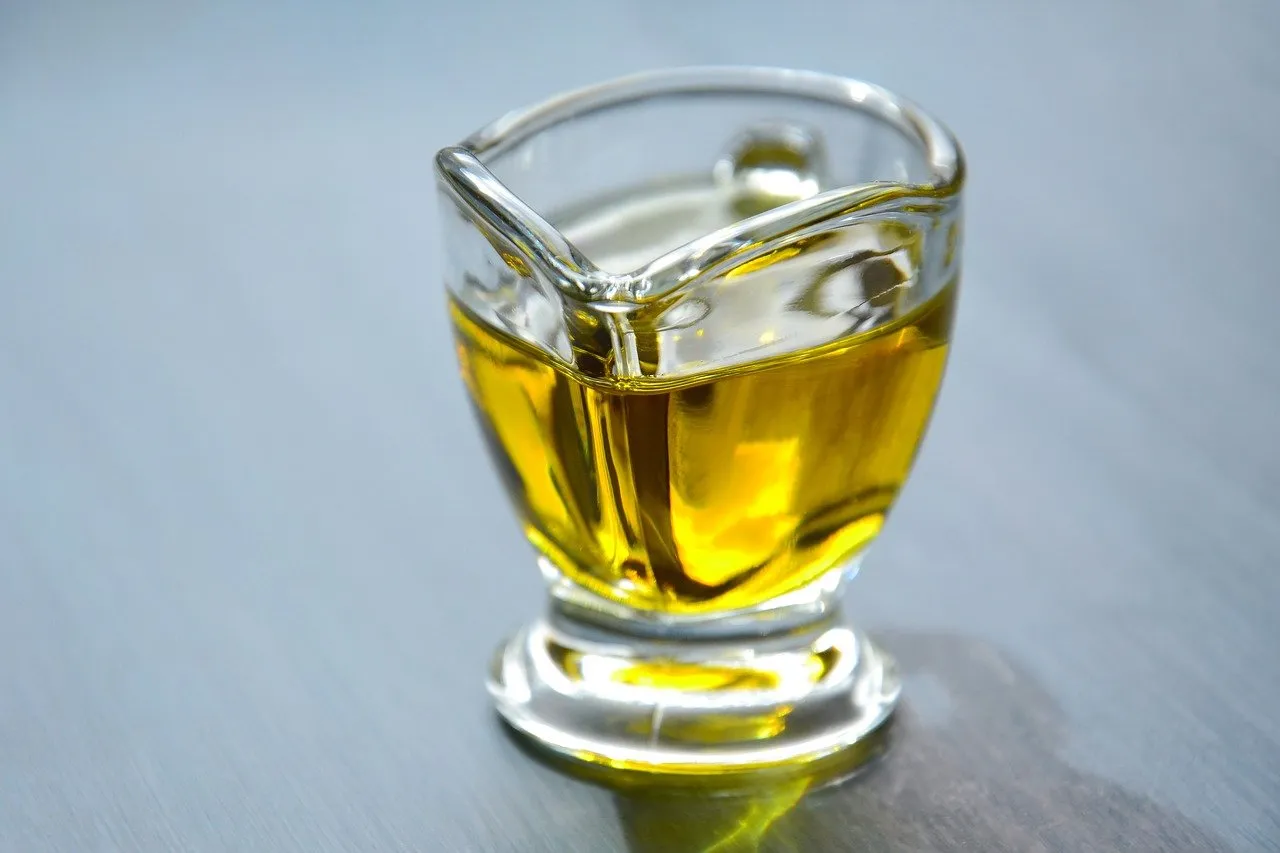
Fats: Friend or Foe? The Truth About This Misunderstood Nutrient!
Fat in the diet is avoided when we are trying to lose weight / when cholesterol goes up / when we are conscious about our health / when there's an acne ou t br…
Read article →
Are You Cooking the Nutrition Out of Your Food?
Cooking doesn’t automatically drain nutrition. Use less water, avoid overcooking, and remember that dal, sambar and curries retain nutrients in their cooking liquid.
Read article →
Comments (0)
No comments yet. Be the first to share your thoughts.
Leave a Comment
Your comment will appear after moderation.