What is Glycemic Index?
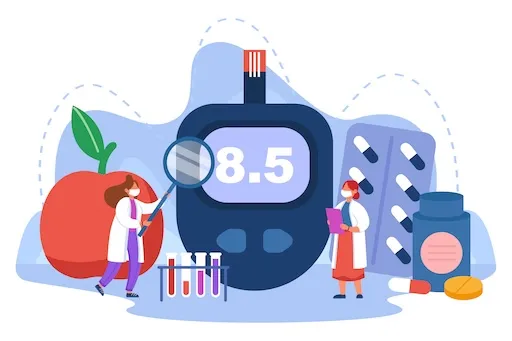
Diabetes management calls for a major overhauling in the dietary practices of an individual. The most important nutrient to modify is carbohydrates. Let us see how and in what way knowing the Glycemic Index of a particular food helps.
Carbohydrates are a class of foods that are known for their saccharide (sugar) content. A food containing carbohydrates which when digested and absorbed increases the glucose levels of blood. This increase in blood glucose has now become the key to planning diets for diabetics, obese and weight watchers. The term used to describe this increase in blood glucose is Glycemic Index (GI).
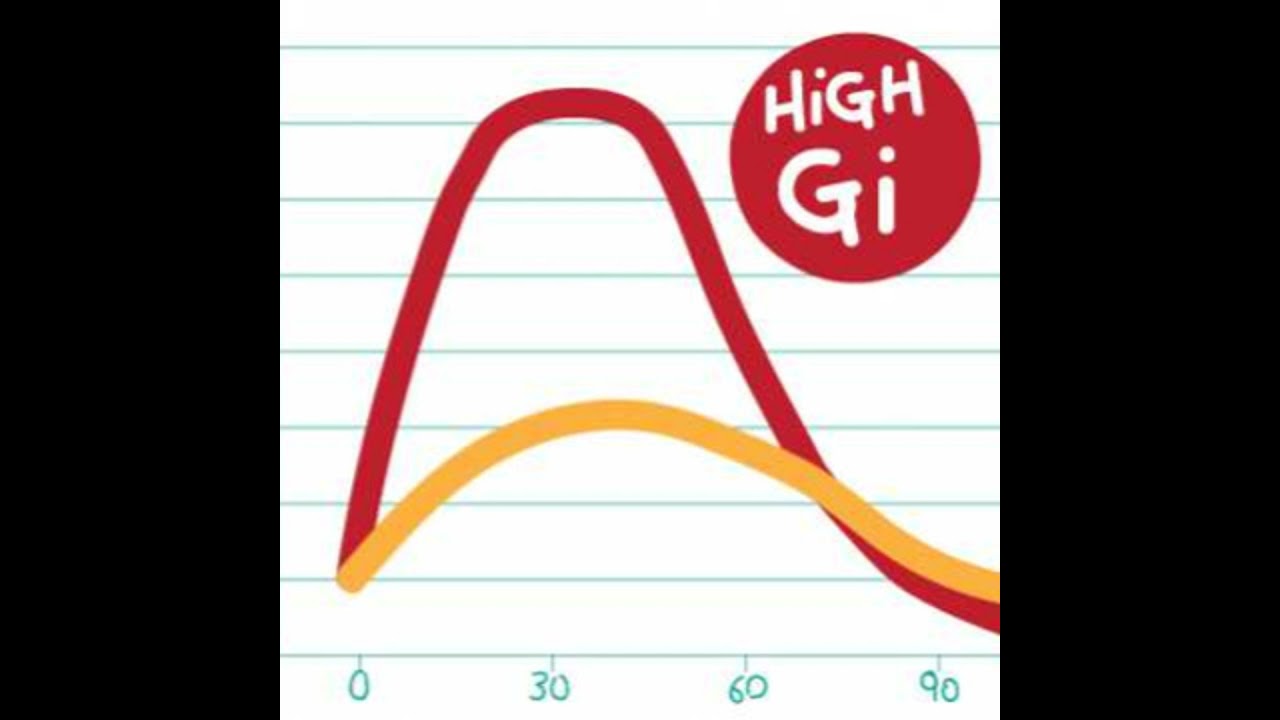
Dr. David J. Jenkins and his colleagues developed the concept of GI in 1980–81. The glycemic index comprises a scale from 1 to 100, which indicates how quickly the blood absorbs 50 grams of carbohydrate from a specific food. The main reference point is glucose, which has a rating of 100. A GI value of 70 and above indicates a High Glycemic index, 56-69 is medium, and less than 55 indicates low GI. Simply put a food that does not lead to a sharp increase in blood sugar post absorption is termed as a low GI food. Thus the foods which take time to digest and slowly get absorbed in the blood have a low GI and vice versa.
So if you are trying to manage your blood sugar or trying to lose weight select foods with Low Glycemic index as they will cause a slower rise in blood sugar. Foods with a low glycemic index tend to have more fibre than the higher glycemic index foods. In other words, select dense wholegrain cereals, brown rice, whole-wheat pasta, and dalia, rather than refined or processed white bread, white rice, and pasta.
Apart from knowing the GI value of foods, other factors can help us in managing our blood glucose in a better way. These include:
- Even distribution of carbohydrates over the day rather than loading a meal completely with carbs.
- Eating small frequent meals rather than 2-3 large meals.
- Various forms of carbohydrate affect blood glucose levels in different ways even though the carbohydrate content is the same. E.g.,
- Physical form – solid, liquid: a liquid food is easier to digest and thus increases blood sugar suddenly. Solids take more time to digest and thus have a high GI. e.g. fruit Vs fruit juice.
- Raw or Cooked: raw carbohydrate foods are more slowly absorbed compared to cooked.
- The body more slowly absorbs whole foods compared to processed foods.
- Some of the complex carbohydrates do behave more like simple sugars, with a quick release of glucose. Like potatoes and many breakfast cereals such as cornflakes, all have a high GI.
Please find below a chart of a few commonly consumed foods with their GI:
| Food Product | Glycemic Index |
| Wheat | 48 |
| Rice, brown | 50 |
| Rice, white | 58 |
| Vermicelli | 35 |
| Buckwheat (kuttu) | 54 |
| Kellogg’s Corn Flakes | 92 |
| Kellogg’s Special K | 69 |
| White bread | 70 |
| Carrot | 47 |
| Peas | 48 |
| Potato, baked | 85 |
| Potato, boiled | 88 |
| Pumpkin | 75 |
| Sweet Corn | 60 |
| Sweet Potato | 61 |
| Yam (Zimikand) | 37 |
| Broad Beans | 79 |
| Rajmah | 28 |
| Soybean | 18 |
| Apple | 38 |
| Banana | 51 |
| Cherries | 22 |
| Grapes | 46 |
| Mango | 51 |
| Orange | 58 |
| Pear | 38 |
| Kiwi | 53 |
| Watermelon | 72 |
| Apple Juice | 40 |
| Coca Cola | 63 |
| Orange Juice | 52 |
| Peanuts | 14 |
| Popcorn | 72 |
| Honey | 55 |
| Table Sugar | 68 |
Image by pch.vector on Freepik

Shruti Marjara Kushwaha
Nutritionist & Founder, NutriMantra
Shruti blends evidence-based nutrition with practical Indian food guidance, shaped by experience across AIIMS, VLCC, HealthKart, research, counselling, and long-term lifestyle support.
Need a realistic meal plan for diabetes or prediabetes?
Book a consultation for personalised guidance on Indian meals, portions, timings, and long-term blood sugar management.
Frequently Asked Questions
What is the Glycemic Index and why is it important for diabetes management in India?
Which Indian foods have a low Glycemic Index that I can include in my diet?
Is it true that all carbohydrates are bad for diabetics in India?
How can I incorporate low GI foods into my daily meals in an Indian diet?
Learn with Shruti


Related Articles
Diabetes and Carbohydrate Counting
World Diabetes Day is the primary global awareness campaign for diabetes and is held on November 14 each year.
Read article →
Are You Cooking the Nutrition Out of Your Food?
Cooking doesn’t automatically drain nutrition. Use less water, avoid overcooking, and remember that dal, sambar and curries retain nutrients in their cooking liquid.
Read article →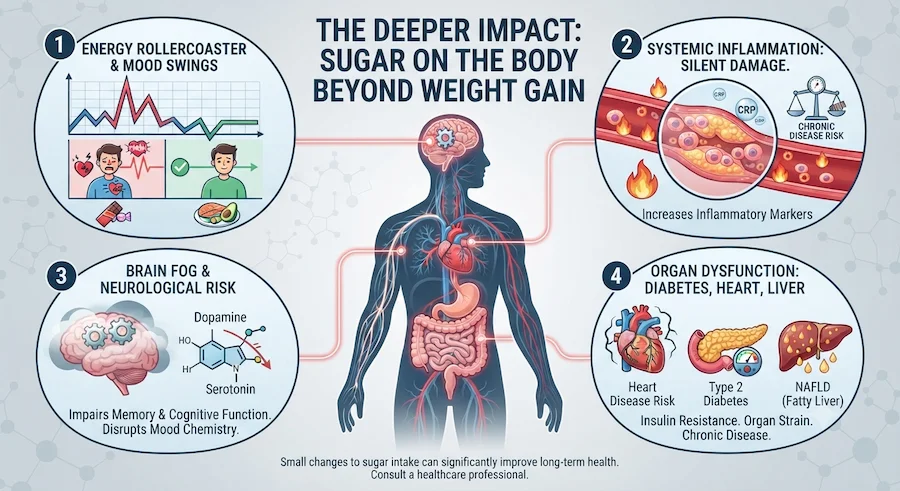
The Impact of Sugar on Your Body: Beyond Weight Gain
Cutting added sugar can smooth energy swings and help brain clarity; in India, swap sweetened coffee and juices for fruit, protein, and fiber.
Read article →Comments (2)
Leave a Comment
Your comment will appear after moderation.
anita · Jul 06, 2012 03:56 PM
simplified language of the article makes easy to understand this concept
Jyotsna Rai · Aug 16, 2020 04:20 PM
Thank you ?