Guide to Vitamins
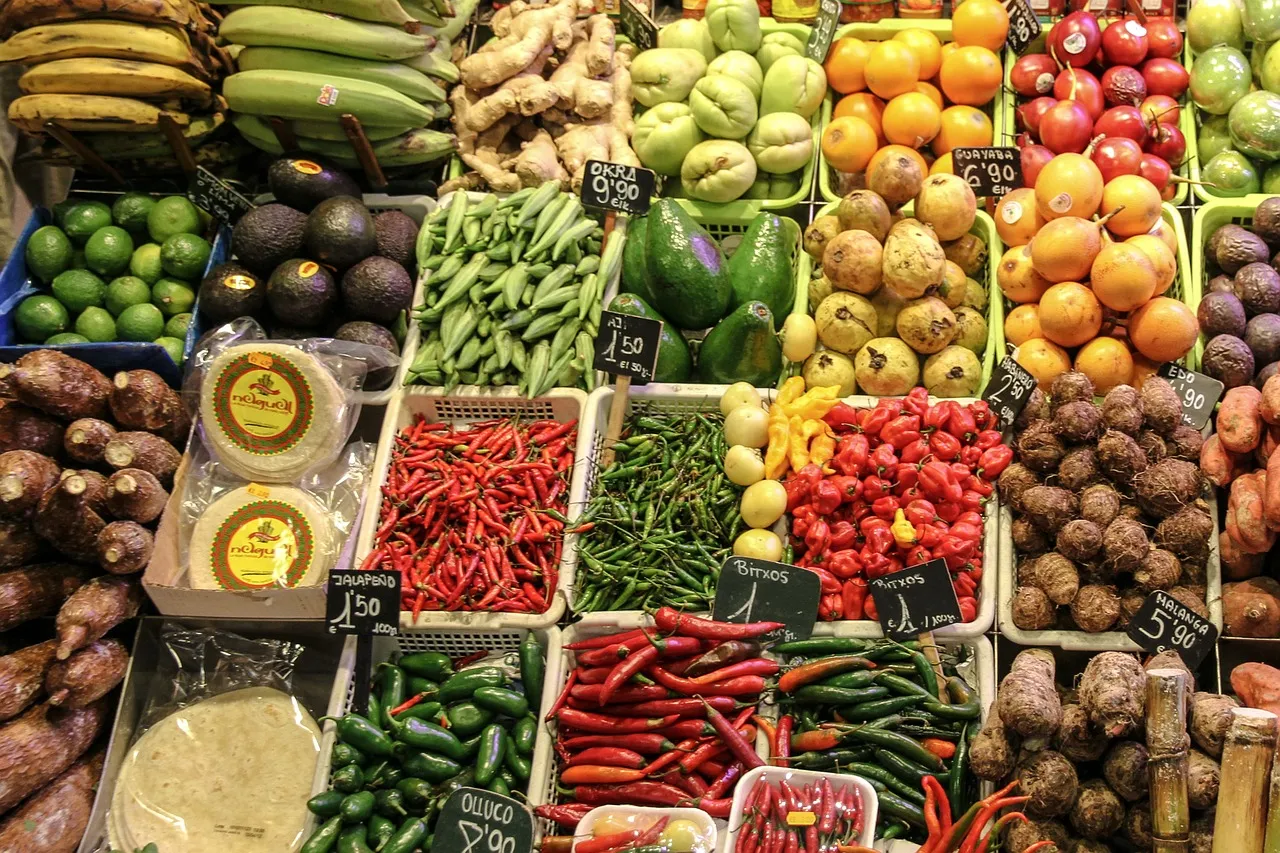
Our current out of the box diet leaves a very small compartment for colourful foods, which apart from adding aesthetics also add vitamins and minerals to our diet. When it comes to this food group we find it really convenient to add them from supplement bottles rather than our plates. Here's a little knick-knack on vitamins that might propel you towards eating foods.... rather than popping vitamin supplements.
The body cannot synthesise a vitamin, so it must obtain this vital organic dietary substance, which contains three elements carbon, hydrogen, and oxygen, in minimal amounts from the diet.
Vitamins are Fat-soluble (vitamins A, D, E, K) and Water-soluble (the B complex vitamins, vitamin C). They have many roles to play in our body. Nearly all foods contain a mixture of vitamins. However, we know specific foods to be excellent sources of certain vitamins. For example, citrus fruits contain large amounts of vitamin C, but they also supply small amounts of other vitamins and minerals as well. The best source of a balanced supply of all vitamins is a diet that consists of a variety of different foods.
How much vitamins do I need?
The Indian Council of Medical Research (ICMR) has established daily requirements for vitamins based on various research and parameters. The Recommended Dietary Allowances (RDA) covers the daily need along with providing additional overages for a period of stress (diseases, fasts, other reasons for food deprivation).
Should I take a vitamin supplement?
Most individuals eating a reasonably balanced diet do not need vitamin supplements. People who cannot absorb vitamins due to chronic disease or who cannot consume sufficient quantities or types of food to meet their vitamin needs may require supplementation. Additionally, the need for vitamins increases during pregnancy and lactation, making supplementation advisable. (For more on supplementation needs)
What if I take excess vitamins?
The body can store fat-soluble vitamins (vitamins A, D, E, K). Accumulation of high levels in the body causes toxic effects and is dangerous. Recent studies have shown that mega doses of vitamin B complex, despite being water-soluble and traditionally considered harmless due to limited storage in the body, may lead to liver disease and epilepsy.
Are vitamins destroyed in food preparation?
Some vitamin loss occurs the minute food is harvested. Modern methods of harvesting, storage, transportation, processing and preparation minimise these losses. Vitamin losses occur by oxidation, by light, by heat, by exposure to acids and alkali, and by leaching into the water. Considerable amounts of various nutrients remain even in the food that has gone through processing.
Preventative measures can be taken during pre-preparation and cooking to minimize vitamin loss. It's advisable to retain thin peels or cook with the skin whenever possible. Cutting vegetables into larger pieces helps reduce the surface area exposed to heat. Additionally, using only the necessary amount of water, which will be absorbed during cooking, is recommended. Furthermore, it's prudent not to discard the water used for cooking or soaking, as water-soluble vitamins may leach out into the water, leading to their loss. Cook with lid on and cook until just tender, not mushy.
Food Vs Vitamin Pills
Apart from being a source of mixed bag of nutrients, vitamin-rich foods satisfy our hunger, provide energy and are a source of fibre and water. Whereas we do not get any such thing from vitamin supplements. Vitamins are integral to life and their deficiencies can lead to diseases some of which are debilitating or even life-threatening. Taking a balanced diet that includes 5-8 servings of fruits and vegetables can provide ample amounts of vitamins and minerals.
Image by Michal Jarmoluk from Pixabay

Shruti Marjara Kushwaha
Nutritionist & Founder, NutriMantra
Shruti blends evidence-based nutrition with practical Indian food guidance, shaped by experience across AIIMS, VLCC, HealthKart, research, counselling, and long-term lifestyle support.
Need help applying this to your routine?
Book a consultation with Shruti for practical, personalised nutrition guidance tailored to your goals, food preferences, and health conditions.
Frequently Asked Questions
What are the best Indian foods to get my daily vitamins?
Do I need to take vitamin supplements if I eat a balanced Indian diet?
What happens if I consume too many vitamins from supplements?
How can I ensure I get enough vitamins during fasting or dieting?
Learn with Shruti


Related Articles
Fats: Friend or Foe? The Truth About This Misunderstood Nutrient!
Fat in the diet is avoided when we are trying to lose weight / when cholesterol goes up / when we are conscious about our health / when there's an acne ou t br…
Read article →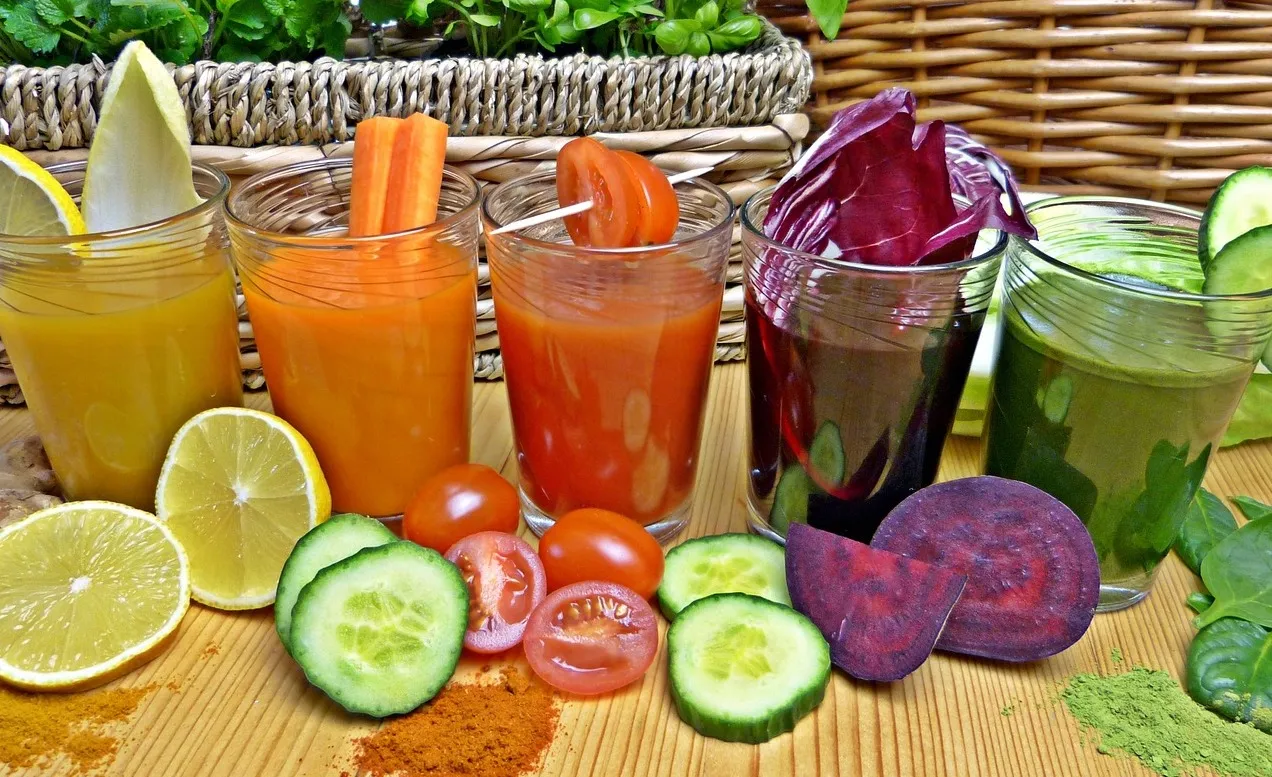
Nutrients affecting Digestive Health
We need a healthy digestive system to assimilate the food we eat; but little do we know that these nutrients are also needed to keep the digestive system healt…
Read article →
Vitamin A: Functions, Sources, and Health Implications
Vitamin A is a group of fat-soluble compounds that play essential roles in vision, bone growth, reproduction, cell division, and cell differentiation (the proc…
Read article →Comments (1)
Leave a Comment
Your comment will appear after moderation.
Malini Jain · Apr 10, 2013 12:22 AM
Very informatory article. Please keep us updated with health information. Good luck and God bless!