Managing PCOS
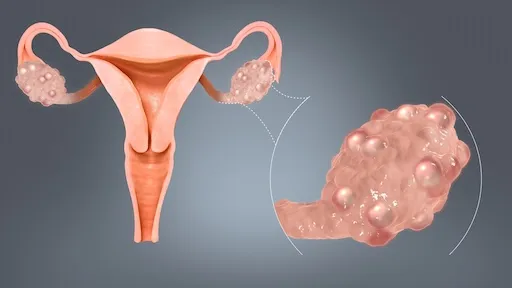
Polycystic ovary syndrome or disorder (PCOS / PCOD) is on the rise. It is a hormonal disorder that affects approximately 8-13% of women in the reproductive age group. It is characterised by the development of cysts in the normal, healthy ovary. Currently, it is considered one of the leading causes of infertility in women. In this article, we are going to talk about managing PCOS?
Managing PCOS
The symptoms of PCOS can improve in severity, but there is no complete treatment available for this disorder as of now.
Weight loss definitely helps in restoring menstrual cycle to normal. Approximately 50-60% of women with PCOS are overweight or obese. Most of the women suffering from PCOS carry their weight around the abdominal area i.e. 'apple' shaped obesity. Normal-weight PCOS women have less severe symptoms than overweight/obese PCOS women. Losing even 5-10% of body weight can help reduce these symptoms. Weight loss can also help improve the hormonal imbalances. This may lead to a spontaneous resumption of menstruation; improvement in hirsutism (excess hair on the body), pregnancy rates and long-term ovarian function.
Diet: A diet high in low glycemic index foods, fibre, vegetable protein, fluids, fruits, vegetables and antioxidants can help to maintain weight.
- Include complex carbohydrates (whole grains, fruits, vegetables, legumes) in the diet, ideally combined with a protein source. Space the carbohydrates out during the day. This will cause less rise in blood sugar and insulin peak as compared to eating all carbohydrates at one meal. Avoid those carbohydrates that trigger more hunger or cravings like sugars, refined grains, etc.
- Vitamins of B-complex group like B3 (niacin), B5 (pantothenic acid) and B6 (pyridoxine), chromium and magnesium help in weight control along with managing blood glucose.
- Increase your fluid intake.
- Limit foods high in saturated and trans fats.
Regular exercise and Insulin-lowering medications (prescribed by the physician) are helpful.
The key is to prevent insulin resistance from reaching abnormally high levels which can increase the risk of developing Type 2 diabetes. We thus advise regular blood glucose monitoring. Females with severe sleep apnea can get benefited by using home devices which improve oxygen flow to the body. Using a device can allow restful sleep and prevent frequent episodes of pauses in breathing.

Shruti Marjara Kushwaha
Nutritionist & Founder, NutriMantra
Shruti blends evidence-based nutrition with practical Indian food guidance, shaped by experience across AIIMS, VLCC, HealthKart, research, counselling, and long-term lifestyle support.
Trying to manage PCOS symptoms through everyday food choices?
Shruti can help you build a practical Indian eating plan that supports hormones, satiety, and consistency.
Frequently Asked Questions
What are the best Indian foods to include in my diet for managing PCOS?
How can I lose weight effectively with PCOS in an Indian context?
Is it true that women with PCOS should avoid all carbohydrates?
What exercises are recommended for women with PCOS in India?
Learn with Shruti


Related Articles

Debunking Common Myths About Nutrition & Weight Loss
When it comes to nutrition and weight loss, myths and misconceptions are everywhere. These facts can often lead us down the wrong path, making it harder to rea…
Read article →
When your Weight-loss diet is making you gain weight
In the pursuit of a healthier lifestyle, many individuals adopt what they believe to be a wholesome, nutritious diet.
Read article →
Nurturing Health: A Guide to Managing Childhood Obesity
In an era marked by technological advancements, the issue of childhood obesity has emerged as a concerning global health challenge.
Read article →
Comments (0)
No comments yet. Be the first to share your thoughts.
Leave a Comment
Your comment will appear after moderation.