Nurturing Health: A Guide to Managing Childhood Obesity

In an era marked by technological advancements, the issue of childhood obesity has emerged as a concerning global health challenge. The prevalence of this condition is a reflection of shifting dietary habits and reduced physical activity. It also calls for urgent action. In this article, we will try to understand childhood obesity, explore its underlying causes, and unveil practical strategies to manage and prevent this growing epidemic.
Childhood obesity isn't just about a child carrying excess weight. It is a complex web of physical, emotional, and social challenges. According to recent studies, childhood obesity rates have tripled over the past four decades. This has made it as one of the most prevalent health concerns of our time. Addressing childhood obesity requires a holistic approach that extends beyond calorie counting.
Underlying Causes of Childhood Obesity
- Dietary Habits: The excess availability of processed foods, sugary beverages, and high-calorie snacks has contributed significantly to childhood obesity. These not only impact a child's weight but also influence their overall health.
- Physical Inactivity: Modern sedentary lifestyles, characterized by excessive screen time and limited outdoor play, have hindered children's opportunities for regular physical activity.
- Genetic Factors: While genetics play a role in a child's susceptibility to obesity, they often interact with environmental factors to influence weight gain.
Empowering Change: Strategies for Management
- Family-Centred Approach: Parents and caregivers are crucial agents of change. By fostering healthy eating habits at home and prioritizing family meals, children can learn to make informed food choices.
- Physical Activity Integration: Encouraging children to engage in active play and structured physical activities not only helps manage weight but also boosts self-esteem and social skills.
- Nutrition Education: Equipping children with nutritional knowledge empowers them to make healthier choices independently. Schools and communities can play a pivotal role in promoting nutrition education.
- Supportive Environments: Schools should provide balanced and nutritious meals and create an environment that encourages physical activity. Community initiatives, such as farmers' markets and accessible parks, can also promote healthy living.
- Mindful Technology Use: While technology is an integral part of modern life, setting limits on screen time and encouraging outdoor exploration is vital for combating sedentary behaviour.
Prevention
The adage "prevention is better than cure" holds particularly true in the context of childhood obesity. By instilling healthy habits from an early age, we can equip children with the tools they need to lead vibrant and fulfilling lives. Here are some preventative measures:
- Breastfeeding: Breastfeeding has been linked to a lower risk of childhood obesity. It provides essential nutrients and helps regulate a child's appetite.
- Early Introduction to Whole Foods: Introducing whole foods early in a child's diet can help shape their taste preferences and lay the foundation for a balanced diet.
- Active Playtime: Encouraging active playtime from infancy onwards helps establish physical activity as a natural part of a child's routine.
- Open Communication: Fostering open communication about body image and self-esteem helps children develop healthy relationships with their bodies.
Managing childhood obesity requires a collective effort from parents, educators, healthcare professionals, and communities at large. By understanding the multi-faceted nature of the issue, we can implement effective strategies that not only address weight management but also empower children to make mindful choices for their overall well-being.
Image by Shlomaster from Pixabay

Shruti Marjara Kushwaha
Nutritionist & Founder, NutriMantra
Shruti blends evidence-based nutrition with practical Indian food guidance, shaped by experience across AIIMS, VLCC, HealthKart, research, counselling, and long-term lifestyle support.
Looking for a sustainable way to lose weight without cutting out real food?
Shruti helps turn nutrition advice into a realistic plan you can follow at home, at work, and while eating out.
Frequently Asked Questions
What are some healthy Indian snacks for children to prevent obesity?
How can I encourage my child to be more physically active in an Indian urban setting?
What are the common myths about childhood obesity in India?
How can schools in India help manage childhood obesity?
Learn with Shruti


Related Articles

Debunking Common Myths About Nutrition & Weight Loss
When it comes to nutrition and weight loss, myths and misconceptions are everywhere. These facts can often lead us down the wrong path, making it harder to rea…
Read article →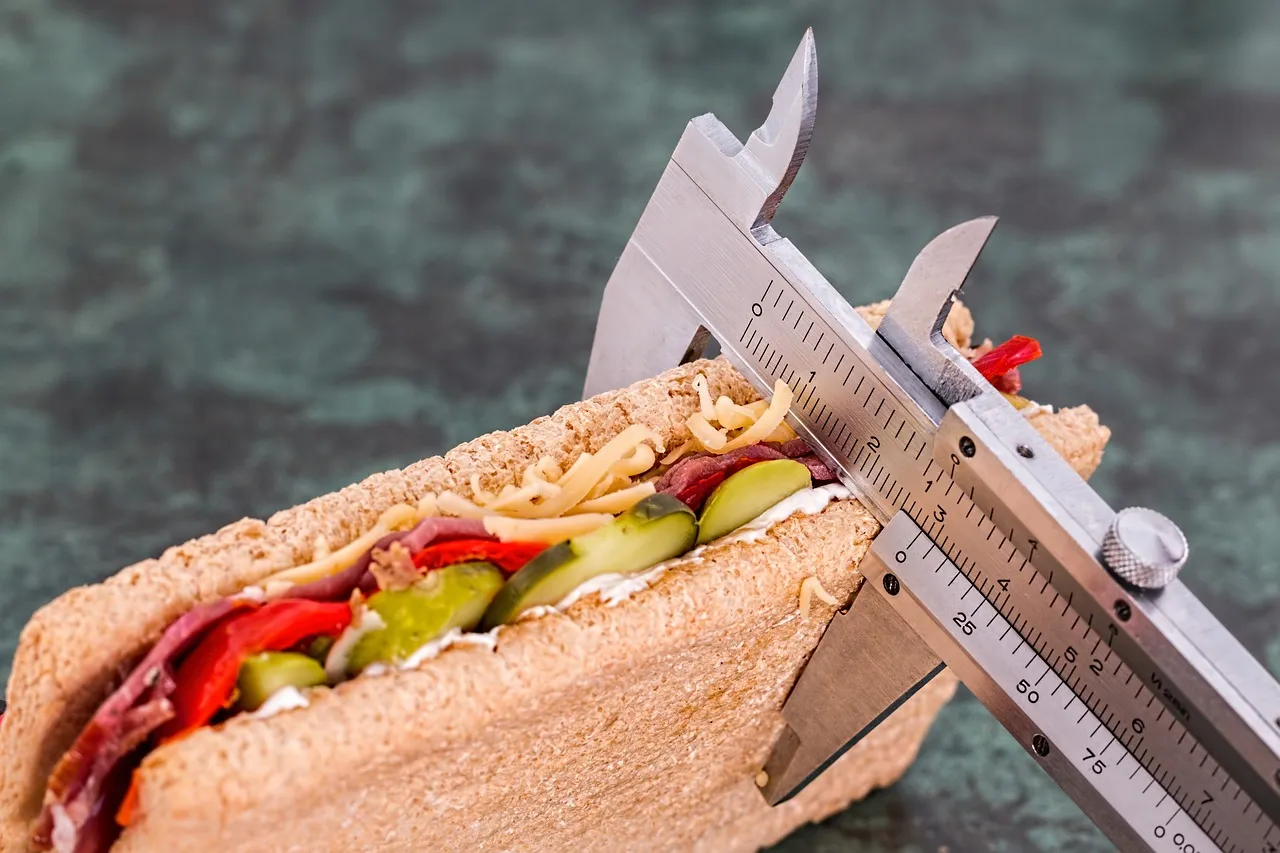
When your Weight-loss diet is making you gain weight
In the pursuit of a healthier lifestyle, many individuals adopt what they believe to be a wholesome, nutritious diet.
Read article →
Benefits of Mindful Eating & Its Impact on our Health
In a world where fast-paced lifestyles and busy schedules often dictate our eating habits, mindful eating offers a refreshing approach to nourishing both body…
Read article →
Comments (0)
No comments yet. Be the first to share your thoughts.
Leave a Comment
Your comment will appear after moderation.