What Is Gluten Sensitivity / Celiac Disease?
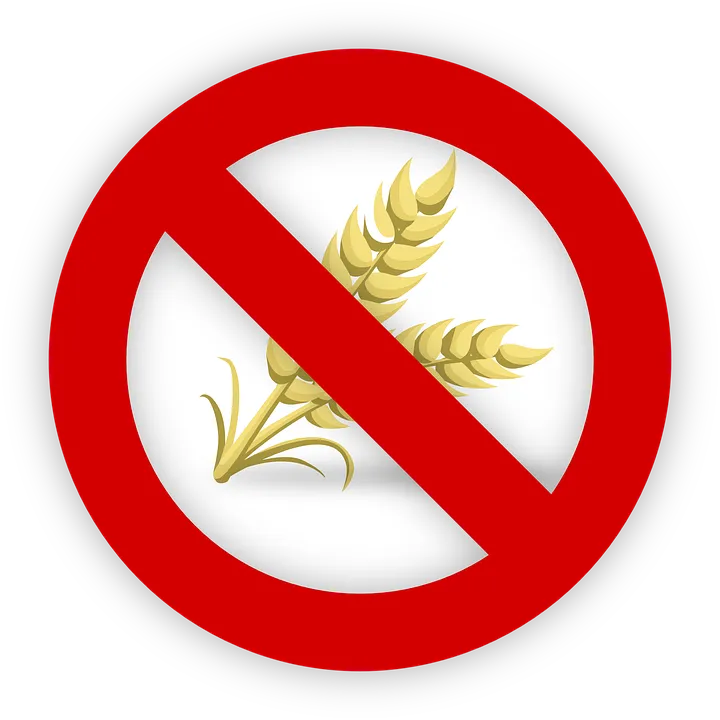
When someone tells you that I am sensitive to Gluten and thus can not have wheat; do you look at him/her with shock and disbelief?
Gluten though technically lesser-known helps us in our everyday cookery. It gives elasticity to the dough and helps in rolling it while making chappati.
Gluten is not just found in wheat; it's also present in barley (jau), rye (rai), and oats (jai). People who cannot digest gluten are said to have gluten sensitivity or are said to be experiencing celiac disease or gluten enteropathy. The symptoms may range from diarrhoea, abdominal pain, weight loss, growth failure, anaemia to inflammation (swelling with or without pain) of the intestine.
Gluten intolerance / Celiac Disease / Gluten Sensitivity
It is an auto-immune disorder which affects the small intestine and results in its damage. An autoimmune disorder is a condition that occurs when the immune system mistakenly attacks and destroys healthy body tissue. Thus when a person suffering from Celiac Disease consumes food containing gluten it triggers the same reaction and leads to above-mentioned symptoms. Repeated consumption may lead to permanent damage making it difficult for the body to absorb water and nutrients from foods. Complete abstinence from gluten-containing foods in the daily diet helps in relieving these symptoms.
A variety of foods meet the criteria for a gluten-free diet.The most frequently used are corn or maize (makka), potatoes, rice, amaranth (chaulai), arrowroot, sorghum (jowar), yam (jimikand), various types of beans, soybean, nut flours, buckwheat (kuttu), gram flour (besan). This diet rules out all ordinary breads, pastas, recipes including semolina (sooji), broken wheat (dalia), refined flour (maida) and many convenience foods. It also excludes gravies, custards, soups and sauces thickened with wheat, rye, barley, or other gluten-containing flour. Some non-foodstuffs such as medications and vitamin supplements, especially those in tablet form, may contain gluten as a binding agent. People wishing to follow a completely gluten-free diet must thus take into consideration the ingredients of any over-the-counter or prescription medications and vitamins.
Special care is necessary when checking ingredient list since:
- Gluten might be present as vegetable protein, vegetable starch, maltodextrin, dextrin or dextrose.
- While many foods contain gluten, manufacturers don't always list it in ingredients because they don't use gluten in their creation. Instead, they use gluten during ingredient preparation. E.g. flours are used to dust the conveyor belts to prevent foods from sticking during processing. They may not label this kind of gluten contamination.
- Sausages may contain gluten via binders.
- Most forms of whiskey originate from gluten-containing grains. But the processing eliminates all the proteins present, including gluten. While spirits like brandy, wine, and sherry do not contain gluten, it's important to carefully examine liquors and pre-mixed drinks for ingredients derived from gluten.
The most important habit a person sensitive to gluten should develop is to read labels of all the processed foods before their consumption. Gluten usage is widespread and thus knowing of its usages might help in making a gluten-free diet a success.
Will be adding few recipe options and a ready reckoner of safe and unsafe foods for celiac patients soon.

Shruti Marjara Kushwaha
Nutritionist & Founder, NutriMantra
Shruti blends evidence-based nutrition with practical Indian food guidance, shaped by experience across AIIMS, VLCC, HealthKart, research, counselling, and long-term lifestyle support.
Need help applying this to your routine?
Book a consultation with Shruti for practical, personalised nutrition guidance tailored to your goals, food preferences, and health conditions.
Frequently Asked Questions
What are the common symptoms of gluten sensitivity or celiac disease in Indians?
Which Indian foods are safe to eat on a gluten-free diet?
Is gluten sensitivity the same as wheat allergy?
How can I ensure my medications are gluten-free in India?
Learn with Shruti
Related Articles
Are You Cooking the Nutrition Out of Your Food?
Cooking doesn’t automatically drain nutrition. Use less water, avoid overcooking, and remember that dal, sambar and curries retain nutrients in their cooking liquid.
Read article →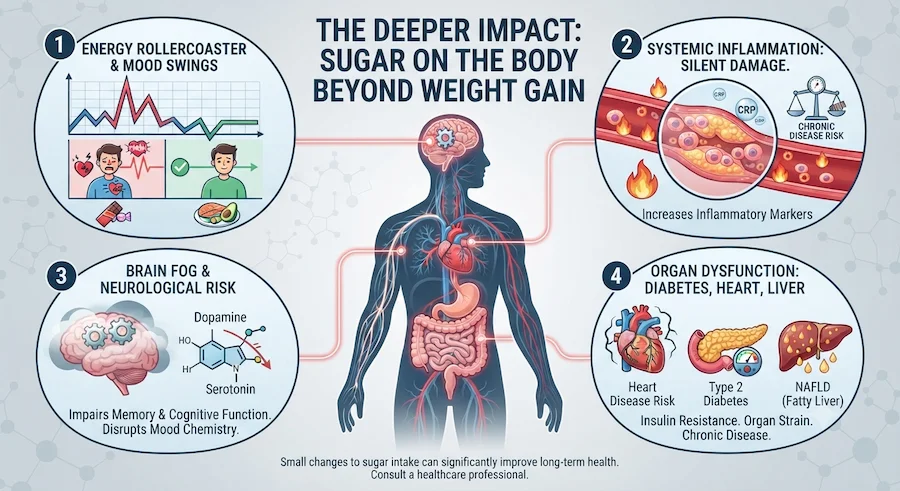
The Impact of Sugar on Your Body: Beyond Weight Gain
Cutting added sugar can smooth energy swings and help brain clarity; in India, swap sweetened coffee and juices for fruit, protein, and fiber.
Read article →
Menopause & Nutrition: Bones, Weight & What to Actually Eat
> The women who do best through perimenopause aren't the ones who change everything. They understand what's happening and make...
Read article →Comments (1)
Leave a Comment
Your comment will appear after moderation.
Malini Jain · Oct 22, 2020 06:57 PM
Very informative and clearly explained. Look forward for your articles. Good luck!