What's on MyPlate?

Food is one of the most important parts of our existence after air and water. Our lives revolve around food to such an extent that no special occasion or celebration is complete without special preparations. Just as consuming polluted air or water is harmful, so too is making poor food choices. The food on our plates should not only be hygienic and nutritious but also properly portioned according to our individual needs.
While there are many ways to determine appropriate portions of various foods in our daily diet, the USDA's MyPlate model, which replaced the traditional food pyramid in 2011, remains a widely used reference tool. MyPlate is a simple visual guide showing how to create balanced meals, represented as a plate divided into different sections.
The evolution of dietary guidelines is noteworthy: from the first food pyramid introduced in 1974 to the USDA pyramid of 1992, and finally to MyPlate in 2011. The latest USDA Dietary Guidelines (2025-2030) emphasise:
- Make every bite count with nutrient-dense foods
- Vegetables and fruits should fill half your plate
- Whole grains should comprise at least half of your grain intake
- Vary your protein sources, including plant-based options
- Choose low-fat or fat-free dairy products or fortified soy alternatives
- Limit added sugars, saturated fats, and sodium
- Customise portions based on individual needs, activity levels, and health goals
The MyPlate model recommends:
- Vegetables: Make these the largest portion of your meal (30% of your plate)
- Fruits: About 20% of your plate
- Grains: About 30% of your plate, emphasising whole grains
- Protein: About 20% of your plate, including both animal and plant-based sources
- Dairy: 1-3 servings daily, with emphasis on low-fat options or suitable alternatives
Modern nutritional science now recognises that optimal portions vary significantly based on factors like age, gender, activity level, metabolic health, and specific dietary needs or restrictions. The one-size-fits-all approach of the original food pyramid has given way to more personalised nutrition recommendations.
Additionally, sustainability and environmental impact have become important considerations in dietary guidelines, with many experts recommending reduced meat consumption and increased plant-based protein sources. The focus has also shifted from simple calorie counting to understanding nutrient density and the quality of food sources.
These guidelines serve as a general reference; individual calorie and nutrient needs should be determined in consultation with healthcare providers or registered dietitians, taking into account personal health goals, medical conditions, and lifestyle factors.
Image Courtesy: www.choosemyplate.gov

Shruti Marjara Kushwaha
Nutritionist & Founder, NutriMantra
Shruti blends evidence-based nutrition with practical Indian food guidance, shaped by experience across AIIMS, VLCC, HealthKart, research, counselling, and long-term lifestyle support.
Need help applying this to your routine?
Book a consultation with Shruti for practical, personalised nutrition guidance tailored to your goals, food preferences, and health conditions.
Frequently Asked Questions
How can I create a balanced meal using the MyPlate model with Indian foods?
What are some common myths about portion sizes in Indian diets?
How do I adjust my diet according to the MyPlate guidelines if I have specific health goals?
What are sustainable food choices I can make in my Indian diet?
Learn with Shruti



Related Articles
Are You Cooking the Nutrition Out of Your Food?
Cooking doesn’t automatically drain nutrition. Use less water, avoid overcooking, and remember that dal, sambar and curries retain nutrients in their cooking liquid.
Read article →
Healthy Eating Shouldn't Feel Like a Luxury
Let’s be honest: most of us have looked at a recipe, seen ingredients like kale or avocado, and thought, "My wallet and my kitchen aren't ready for this." At N…
Read article →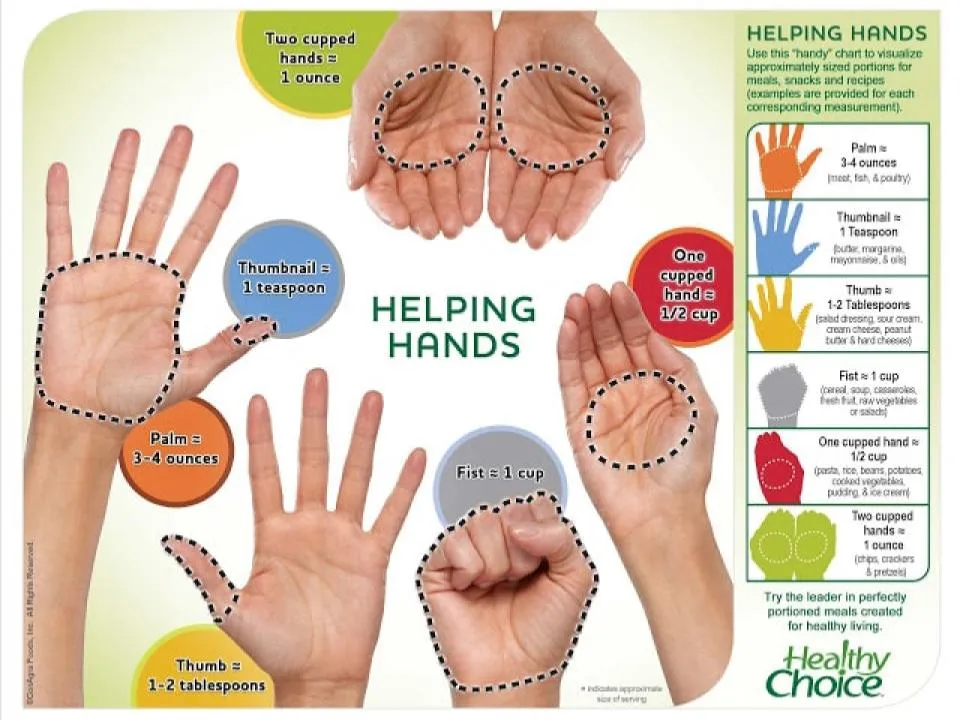
The Art of Portion Control: Eat Smart Without Feeling Deprived
Have you ever opened a family-size packet of chips and finished it in one go? You didn’t plan to finish it, but it happened anyway.
Read article →
Comments (0)
No comments yet. Be the first to share your thoughts.
Leave a Comment
Your comment will appear after moderation.