Do I need a Dietary Supplement?

One day a friend of mine called me with a query. 'I feel tired most of the time and the Doctor has suggested that I should take a dietary supplement. Now I am in a fix. Should I? Do I really need to take dietary supplements?'
Posting a detailed account of the subject...
A supplement literally means something added to complete a thing or make up for a deficiency. Dietary supplement thus means a substance which when added to diet helps in making up the deficiency in the diet. A dietary supplement provides added insurance that you are getting an adequate intake of necessary vitamins and other micro-nutrients.
Health care providers have had mixed views on the inclusion of dietary supplements in the daily diet. Yes, we do compensate for the usage and losses of nutrients through diet, but certain ages and physiological conditions sincerely benefit from including dietary supplements in their diet.
Who all need dietary supplements?
1. Women may need extra calcium all through their life and especially post-menopause. You can add calcium to your diet through milk and milk products, ragi, sesame, and over-the-counter calcium supplements in the form of calcium carbonate and calcium citrate. Taking calcium supplements with meals enhances their absorption. You should take a dose of 500 mg once or twice a day, depending on your requirements, for optimal absorption.
2. Women who bleed excessively during menstruation may need to take iron or iron and folic acid supplements to meet the daily recommendation. Doctors typically prescribe supplements to pregnant and lactating women to fulfil their heightened requirements for iron, calcium, and other nutrients.
3. Women planning pregnancy should take a folic acid supplement prior to conception. A recent study led by Radek Bukowski, an assistant professor of obstetrics and gynaecology at the University of Texas, suggests that women who took folic acid for one year prior to pregnancy reduced their risk of delivering a premature baby by 50 to 70 per cent apart from preventing the occurrence of other congenital (present from birth) malformations. Because pregnancy is often unplanned, ideally a female should start taking folic acid when she becomes sexually active. A standard folic acid supplement contains a sufficient amount of folic acid i.e., 400 micrograms.
4. Teenagers often have irregular eating habits and may not eat a balanced diet. A multivitamin with minerals can help fill in the nutritional gaps. Some teenage girls also need daily calcium and iron supplement.
5. Vegans (people who abstain from milk and dairy products apart from egg and flesh foods) are advised to take iron and B12 daily. Iron and B12 deficiency occurs frequently in strict vegetarians. Vegetarian sources of iron exhibit a lower absorption rate compared to non-vegetarian sources, and foods of plant origin lack Vitamin B12, which can result in deficiencies.
6. Dieters and people who avoid entire food groups (like grains, etc.) are more likely to have vitamin and mineral deficiencies. A daily multivitamin with minerals can be taken in consultation with a physician.
7. People with deficiency diseases or malabsorption disorders due to some allergies or intolerances (e.g. people allergic to wheat or gluten or intolerant to lactose) may need multivitamins. Similarly, people taking prescription medications that interfere with the absorption of nutrients may also need higher dose supplements.
The kind of diet we are into nowadays (packaged, ready to eat, convenience foods) is seriously deficient in micronutrients. But the author doesn't encourage people to make dietary supplement their way of life. Ask yourself a question am I taking 5 servings of fruits and vegetables daily? If yes no need to go for supplements. If no try to include fruits and veggies in your daily diet. Not possible? Ask a doctor and only then go for dietary supplements.

Shruti Marjara Kushwaha
Nutritionist & Founder, NutriMantra
Shruti blends evidence-based nutrition with practical Indian food guidance, shaped by experience across AIIMS, VLCC, HealthKart, research, counselling, and long-term lifestyle support.
Need help applying this to your routine?
Book a consultation with Shruti for practical, personalised nutrition guidance tailored to your goals, food preferences, and health conditions.
Frequently Asked Questions
Do I really need dietary supplements if I eat a balanced Indian diet?
What are the best dietary supplements for Indian women post-menopause?
How can I ensure I'm getting enough iron in my diet without supplements?
Is folic acid really necessary before pregnancy for Indian women?
Learn with Shruti

Related Articles
Nutrients affecting Digestive Health
We need a healthy digestive system to assimilate the food we eat; but little do we know that these nutrients are also needed to keep the digestive system healt…
Read article →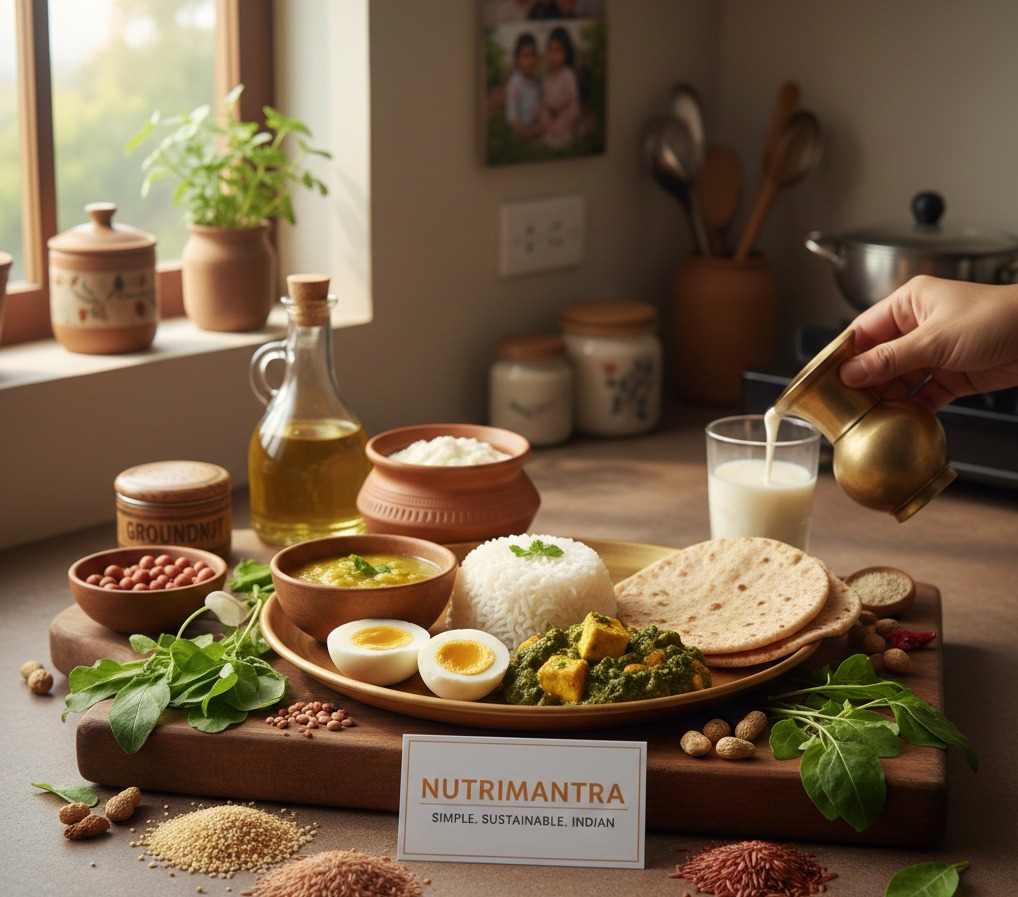
Healthy Eating Shouldn't Feel Like a Luxury
Let’s be honest: most of us have looked at a recipe, seen ingredients like kale or avocado, and thought, "My wallet and my kitchen aren't ready for this." At N…
Read article →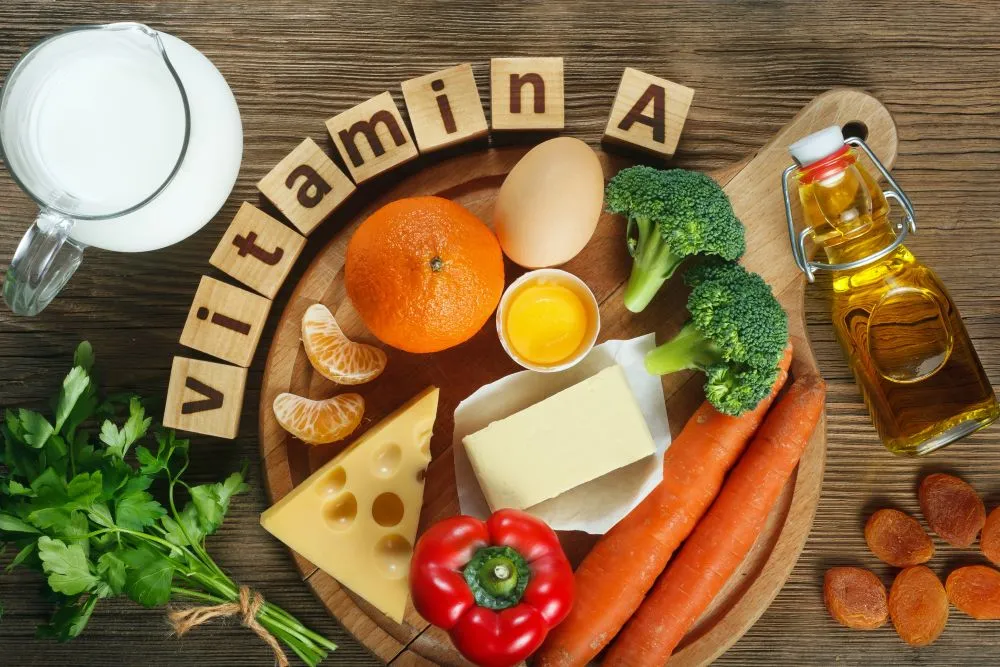
Vitamin A: Functions, Sources, and Health Implications
Vitamin A is a group of fat-soluble compounds that play essential roles in vision, bone growth, reproduction, cell division, and cell differentiation (the proc…
Read article →Comments (4)
Leave a Comment
Your comment will appear after moderation.
ANITA · Jul 18, 2012 04:48 PM
TOO GOOD AND USEFUL SIMPLE INFORMATION
Vibhuti Sharma · Dec 28, 2012 07:20 AM
Very Useful and Wholesome information to have handy. It is indeed a dilemma but as a dieter, I have just taken a supplement because we do tend to avoid this and that and land up with deficiencies.
Shruti · Dec 29, 2012 03:25 PM
Reply
Thank you very much. Yes I agree those on diets do need supplementation.
shweta · Dec 28, 2012 11:43 PM
very informative