Understanding Dietary Fibre: Benefits, Myths & Smart Tips
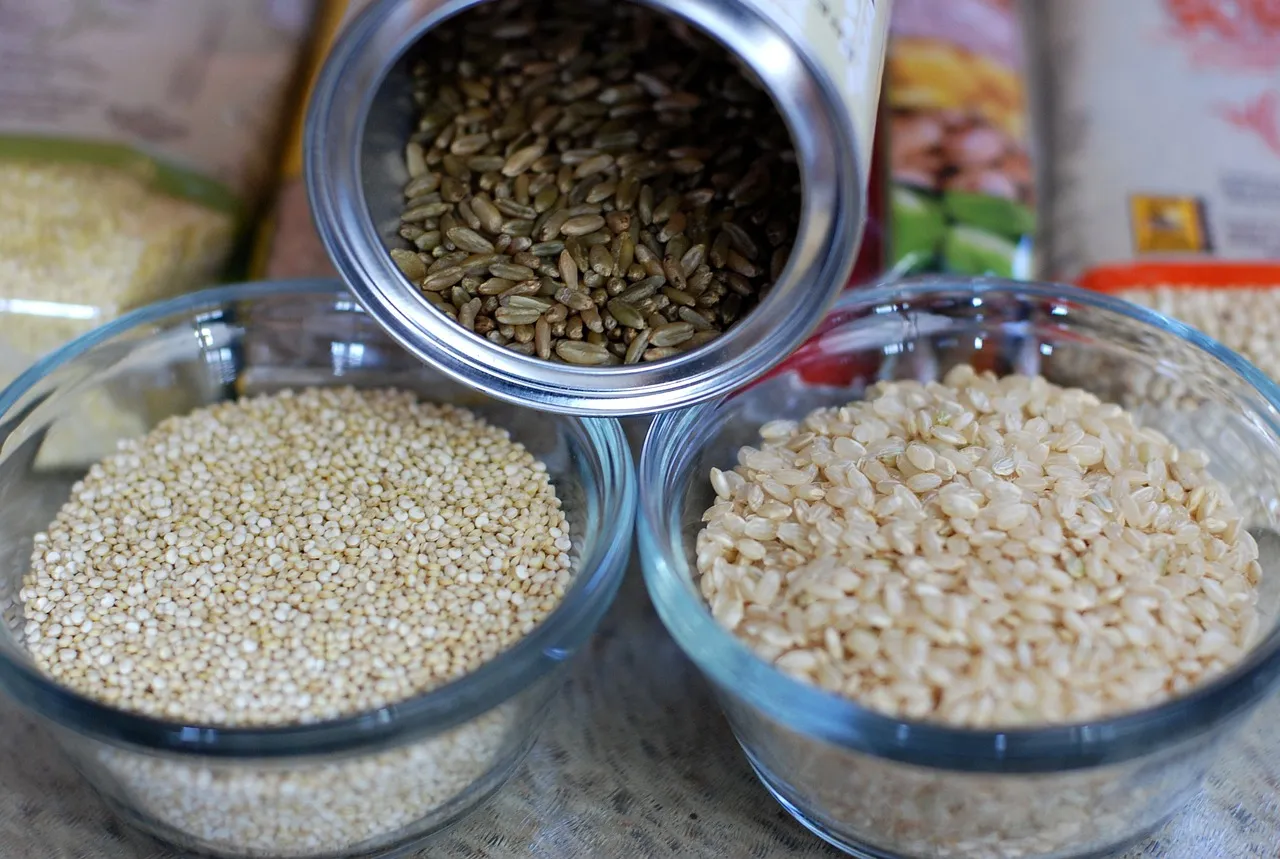
“Fibre” comes from the Latin fibra, meaning thread or filament — an apt name for this thread-like component found in plant foods. Unlike other nutrients, it isn’t broken down by digestive enzymes. Instead, it travels through our digestive tract largely intact, soaking up water, feeding our gut bacteria, and helping things move along smoothly.
You’ll also hear it called roughage. But don’t let the old-school name fool you. Fibre is one of the most modern, science-backed heroes of good health.
Why does it Matter?
Think of fibre as your body’s internal housekeeper. Its benefits go far beyond “good digestion”:
1. Keeps You Regular
Fibre adds bulk to stool and helps it pass easily.
A 2015 study in the World Journal of Gastroenterology found that increasing dietary fibre improved stool frequency in 79% of people with constipation.
2. A Natural Tool for Weight Management
High-fibre foods fill you up without adding many calories, helping you avoid overeating.
3. Helps Manage Blood Sugar
Fibre slows the absorption of sugar, leading to steadier glucose levels, especially important for people with prediabetes or type 2 diabetes. Soluble fibre intake has been shown to reduce post-meal blood sugar spikes by up to 20–30%.
4. Protects the Heart
Soluble fibre binds with cholesterol in the gut, removing it from the body. According to the American Heart Association, eating 5–10 g of soluble fibre per day can lower LDL (“bad cholesterol”) by about 5%.
5. Supports the Gut Microbiome
Certain fibres feed beneficial gut bacteria, producing short-chain fatty acids that reduce inflammation.
How Much Do We Need?
Most Indians consume barely 15–18 grams a day which is far below the recommended intake of:
- Women: 25 grams/day
- Men: 30–38 grams/day
A small increase makes a big difference.
Let us look at easy, no-stress ways to enrich your daily plate.
How to Add More Fibre to Your Diet?
1. Fruits & Whole Grains
- Choose whole fruits over juice. Fibre is lost when fruits are juiced.
- Make chapatis with whole-wheat flour or multigrain flour.
- Prefer brown rice or semi-polished rice over white.
- Start your morning with whole-grain cereal, oats, ragi, or wheat bran.
Smart swaps:
Orange juice ? Whole orange
White bread ? Whole-wheat/multigrain
Maida pasta ? Whole-wheat or millet-based pasta
2. Vegetables: The More, The Merrier
Aim for 4–5 servings daily. Colour variety = nutrient variety.
- Keep washed, cut veggies (carrot, cucumber, broccoli, radish, capsicum) ready in the fridge for easy snacking.
- Toss raw or lightly cooked vegetables into rice, pasta, poha, upma, or omelettes.
- Build veggie-heavy sandwiches with lettuce, spinach, onions, tomatoes, cucumber, and capsicum.
- Prepare stuffed chapatis with grated radish, carrot, or cabbage.
- Make simple raitas with cucumber, beetroot, bottle gourd, or carrots.
- Add chopped veggies to roasted chana, puffed rice, sprouts, and turn them into filling chaats.
Research bite: People who eat 7+ servings of fruits and vegetables daily have a 42% lower risk of early death, says a large-scale UK study.
3. Legumes, Beans, Nuts & Seeds
- Include dal, chana, rajma, lobia, sprouts, peas, and lentils in main meals.
- Add beans or lentils to soups, salads, khichdi, or wraps.
- Sprinkle flaxseeds or chia seeds on salads, curd, or smoothies.
Quick fact:
Just 1 tablespoon of chia seeds = 5g of fibre. That’s 20% of your daily need in one spoon!
How to Increase its intake without Bloating?
- Increase intake slowly. Sudden jumps may cause gas.
- Drink enough water: fibre works with water.
- Include both soluble fibre (oats, beans, fruits) and insoluble fibre (whole grains, veggies).
- Spread fibre across the day.
Fibre isn’t glamorous, but it is powerful. From your gut to your heart to your hormones, it supports systems quietly but effectively. Small, everyday choices like swapping white rice for brown, adding a handful of veggies, or snacking on fruits can slowly build a healthier, stronger you.
If you can fill half your plate with fibre-rich foods most days, your body will thank you in ways you will feel inside and out.
Image by NatureFriend from Pixabay

Shruti Marjara Kushwaha
Nutritionist & Founder, NutriMantra
Shruti blends evidence-based nutrition with practical Indian food guidance, shaped by experience across AIIMS, VLCC, HealthKart, research, counselling, and long-term lifestyle support.
Need a realistic meal plan for diabetes or prediabetes?
Book a consultation for personalised guidance on Indian meals, portions, timings, and long-term blood sugar management.
Frequently Asked Questions
What are some high-fibre Indian foods I can include in my diet?
How can I increase my daily fibre intake without drastic changes to my diet?
Is it true that eating too much fibre can cause digestive issues?
How much fibre should I aim for daily as an Indian adult?
Learn with Shruti


Related Articles

The Impact of Processed Foods on Health and Alternatives to Consider
In modern society, the all-presence of processed foods has become a cornerstone of the global diet.
Read article →
Are You Cooking the Nutrition Out of Your Food?
Cooking doesn’t automatically drain nutrition. Use less water, avoid overcooking, and remember that dal, sambar and curries retain nutrients in their cooking liquid.
Read article →
Healthy Eating Shouldn't Feel Like a Luxury
Let’s be honest: most of us have looked at a recipe, seen ingredients like kale or avocado, and thought, "My wallet and my kitchen aren't ready for this." At N…
Read article →
Comments (0)
No comments yet. Be the first to share your thoughts.
Leave a Comment
Your comment will appear after moderation.