Diabetes which needs no-carb restriction...

The word diabetes rings in a bell of caution.... restrict carbohydrates, restrict sugar. But this diabetes needs no such restrictions. Surprised?? Don't be... This is diabetes insipidus.
Diabetes insipidus shares its first name and few symptoms with diabetes mellitus. It is a rare condition in which kidneys are unable to conserve water as they form urine. The process of urine formation is complex and requires the activity of a few hormones. ADH (anti-diuretic hormone) is most important of these hormones. It is either due to poor production of ADH by the body or due to failure of kidneys to respond to ADH that this condition arises.
Causes of ADH deficiency
A head injury, infection, surgery or tumour of the pituitary (gland which produces ADH). Certain medications, high levels of calcium in the body, or polycystic kidney disease can also cause DI.
The symptoms include excessive thirst, which may be uncontrollable and excessive urine formation. Unlike diabetes mellitus, no sugar or albumin is excreted in urine, thus giving it the name insipidus (bland).
Treating diabetes insipidus
It depends on the specific type and underlying cause. Here's a general overview of the different approaches:
1. Medications: medications to treat the underlying cause like replace the missing antidiuretic hormone (ADH) in case of deficiency or reducing the amount of urine produced by kidneys.
2. Dietary changes: A low-salt diet can help reduce urine output.
- Focus on fresh, unprocessed foods: Choose fruits, vegetables, whole grains, lean protein, and healthy fats. These are naturally low in sodium.
- Limit processed foods: Processed foods are often high in sodium. Be mindful of canned goods, frozen meals, cured meats, and packaged snacks.
- Read food labels: Pay attention to the sodium content listed on food labels. Choose options with lower sodium levels.
- Cook at home: When you cook at home, you have more control over the amount of salt used. Opt for fresh herbs and spices for flavour instead of salt.
3. Lifestyle changes: Staying hydrated and avoiding hot weather can help manage symptoms.
Do not attempt to self-diagnose or treat diabetes insipidus. Consult a healthcare professional for proper diagnosis and personalised treatment recommendations.
Matching urine output with adequate fluid intake is crucial, and healthcare providers can administer certain medications to reduce urine output.
It is really a matter of concern if you develop symptoms of diabetes insipidus. Be prompt in getting it diagnosed and if you are suffering from it, take care of your fluid and electrolyte intake.

Shruti Marjara Kushwaha
Nutritionist & Founder, NutriMantra
Shruti blends evidence-based nutrition with practical Indian food guidance, shaped by experience across AIIMS, VLCC, HealthKart, research, counselling, and long-term lifestyle support.
Need a realistic meal plan for diabetes or prediabetes?
Book a consultation for personalised guidance on Indian meals, portions, timings, and long-term blood sugar management.
Frequently Asked Questions
What is diabetes insipidus and how is it different from diabetes mellitus?
What dietary changes can help manage diabetes insipidus in India?
Are there any myths about diabetes insipidus that I should be aware of?
What are the symptoms of diabetes insipidus that I should look out for?
Learn with Shruti


Related Articles
Understanding Dietary Fibre: Benefits, Myths & Smart Tips
“Fibre” comes from the Latin fibra , meaning thread or filament — an apt name for this thread-like component found in plant foods.
Read article →
Are You Cooking the Nutrition Out of Your Food?
Cooking doesn’t automatically drain nutrition. Use less water, avoid overcooking, and remember that dal, sambar and curries retain nutrients in their cooking liquid.
Read article →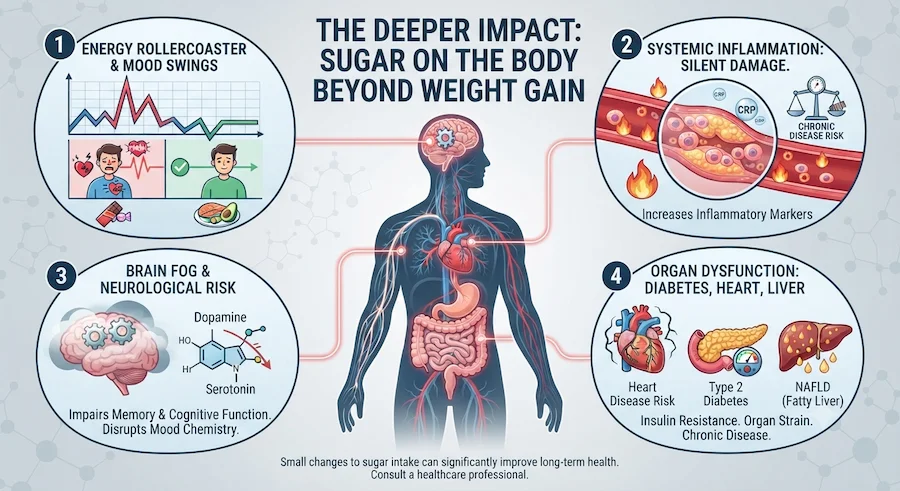
The Impact of Sugar on Your Body: Beyond Weight Gain
Cutting added sugar can smooth energy swings and help brain clarity; in India, swap sweetened coffee and juices for fruit, protein, and fiber.
Read article →
Comments (0)
No comments yet. Be the first to share your thoughts.
Leave a Comment
Your comment will appear after moderation.