The Healing Power of Nature
The healing power of nature is a remarkable force, offering solace and rejuvenation to both body and mind. From tranquil forests to serene oceans, its embrace holds the potential to restore and renew our overall well-being.
My mother developed Paronychia (a fungal or bacterial infection leading to redness, swelling and pus formation around the nail) in her right big toenail just before my sister's wedding. She was in so much pain that she could hardly move about leave aside doing any work. When my grandmother arrived and saw her state, she quickly plucked a leaf from a pot in the balcony, slit it halfway after heating and covered the toenail with it. Mom not only felt better but the infection also subsided in a few days. Do you know what that magic plant was?
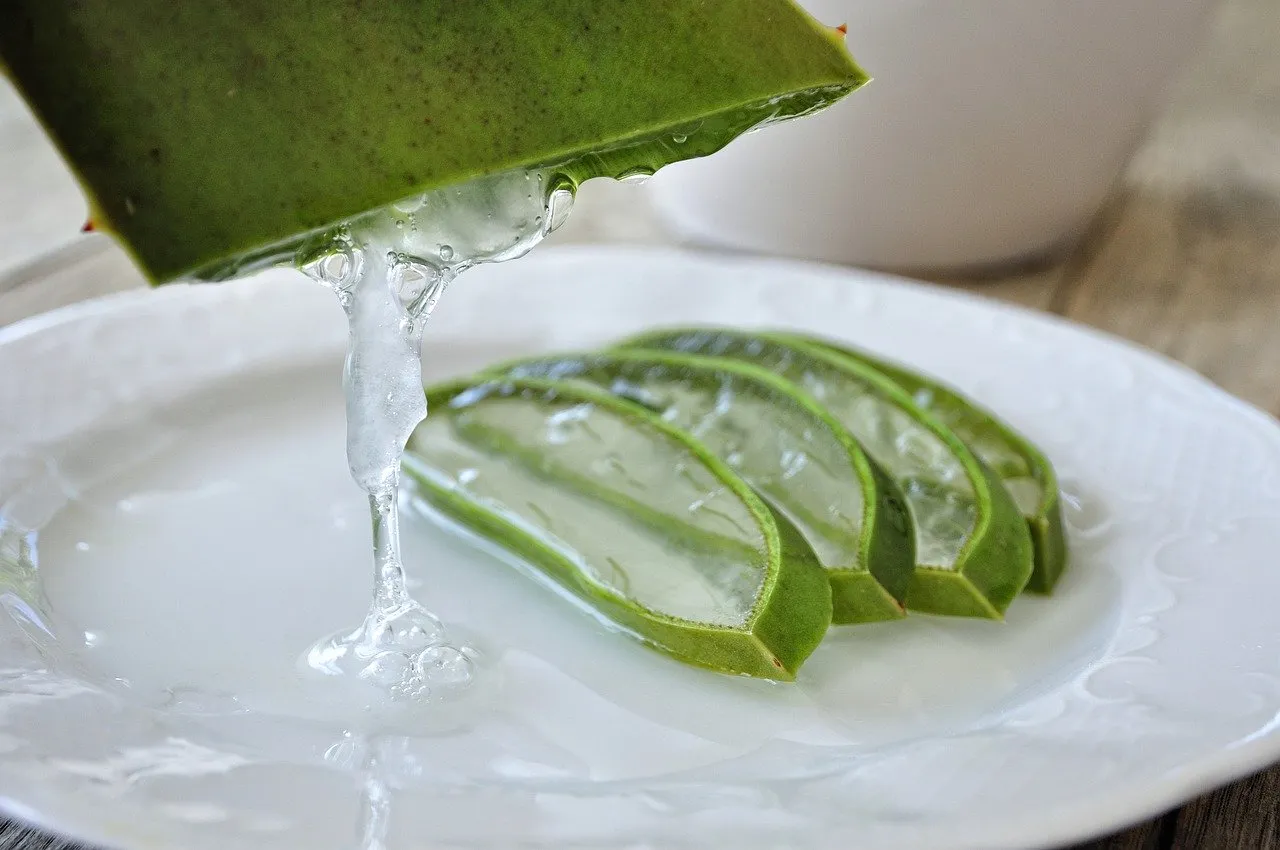
It was Aloe vera that reaffirmed our belief in the healing power of nature.
Aloe vera also known as Aloe barbadensis, quargandal or ghrita kumari is a shrub which grows in dry areas of India, Africa, China and other dry places. This plant has around 300 known varieties, but only a few of them possess medicinal properties. The plant is known the world over for its multifold benefits.
Benefits of Aloe Vera:
- Digestive System: useful in acidity and related problems, ulcers, and constipation. It has a soothing effect on the digestive tract lining and also acts as a laxative.
- Heart: lowers cholesterol levels.
- Diabetes: decreases blood sugar levels in diabetic patients.
- For Women: considered one of the best medicines in Ayurveda, for the female reproductive system.
- Wound Healing: Aloe vera may be effective in the treatment of wounds. Some studies have shown that it promotes the rate of healing in first and second-degree burns.
- Skin and Beauty: purifies blood, promotes healthy hair and provides a natural glow to the skin. Helps in skin conditions such as acne, pimples, allergy rashes (when applied as a cream), scalp problems, falling hair, dandruff etc. Stimulates production of collagen & elastin (proteins), which are necessary to prevent ageing.
- Other Benefits: Anti-cancer effects, enhances immune function.
You can ingest it as juice or gel, apply it topically as a gel, or use it as an ingredient in creams, moisturizers, etc. Numerous research studies are underway to ascertain the mechanism of action or dosage to be taken for these above-mentioned benefits.
Aloe vera also has an excellent nutritional profile. It is a mixture of more than 200 constituents, including amino acids, enzymes, vitamins (A, B1, B6, B12, C, E & Folic acid), minerals (Calcium, Chromium, Copper, Magnesium, Manganese, Potassium, Sodium, Zinc), Hormones, etc.
Though this magic healer has shown its magic in healing Paronychia, we still need lots of studies to include Aloe vera as medicine for serious ailments like cancer, ulcers, etc.
Let us wait and watch!!!
Image by Rosina-Sch from Pixabay

Shruti Marjara Kushwaha
Nutritionist & Founder, NutriMantra
Shruti blends evidence-based nutrition with practical Indian food guidance, shaped by experience across AIIMS, VLCC, HealthKart, research, counselling, and long-term lifestyle support.
Need a realistic meal plan for diabetes or prediabetes?
Book a consultation for personalised guidance on Indian meals, portions, timings, and long-term blood sugar management.
Frequently Asked Questions
What are the health benefits of Aloe vera for Indian diets?
How can I use Aloe vera for skin problems like acne in India?
Is Aloe vera safe for pregnant women in India?
What are some myths about Aloe vera in Indian culture?
Learn with Shruti



Related Articles

What Happens to Your Gut Health When You Eat More Protein
Protein has become the darling of the nutrition world, from shakes to high-protein diets promising weight loss and boundless energy.
Read article →
Nutrients affecting Digestive Health
We need a healthy digestive system to assimilate the food we eat; but little do we know that these nutrients are also needed to keep the digestive system healt…
Read article →
Understanding Dietary Fibre: Benefits, Myths & Smart Tips
“Fibre” comes from the Latin fibra , meaning thread or filament — an apt name for this thread-like component found in plant foods.
Read article →Comments (3)
Leave a Comment
Your comment will appear after moderation.
Malini Jain · Jun 25, 2020 05:36 PM
Very informative and useful information. Good luck!
Shruti · Jun 28, 2020 01:36 PM
Reply
Thank you so much!
Supreet · Oct 05, 2020 06:29 AM
Informative !!??