Am I obese?
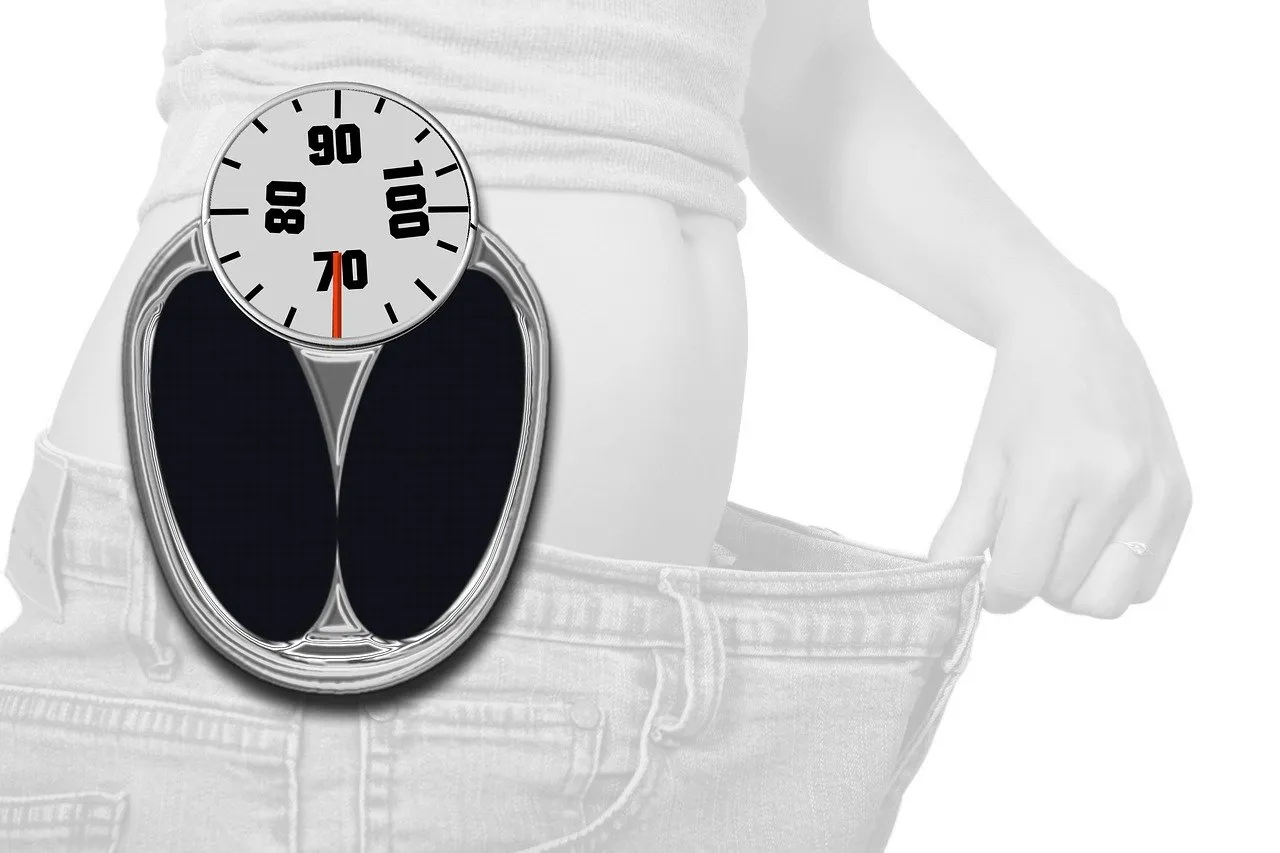
As famous as this word is, it has lots of definitions, identifications, and classifications. Obesity is a trigger that when pulled takes us towards such lifestyle disorders which decrease our quality of life. Experts have proposed several measures to calculate the risk or determine if a person falls into the obese category.
Shall we find out the answer to the query: Am I obese?
Doctors, scientists, and people working in the healthcare field have suggested diverse formulae and theories to ascertain obesity in classes. These theories and formulae measure different aspects and have their own benefits and shortcomings.
Body Mass Index
BMI is one such formula that has found wide acceptance. The calculation involves dividing weight (kg) by the square of height (m2). It evaluates body weight in relation to height. In most people BMI correlated highly with body fat. Thus it considered as a useful and indirect measure of body composition.
| With a BMI of |
You are considered |
|
Less than 18.5 |
Underweight |
|
18.5 – 22.9 |
Normal Weight |
|
23 - 24.9 |
Overweight |
|
25 or above |
Obese |
Health professionals do not consider BMI valid for infants, children, teenagers, pregnant or nursing women, adults over 65 years of age, very muscular individuals, and endurance athletes like runners.
Body Composition Analysis
BCA (For more on BCA) is another technique that is getting popular nowadays. For all such conditions where BMI does not hold true BCA comes to the rescue. Take a look at the following example:

These men have the same height, weight & BMI, but have different percent body fat. Just one look at them and you can judge who is healthy and who is not. But surprisingly, going by BMI both come in the overweight category. At this point, BCA helps us in finding how much per cent of our body weight is fat. The man in blue apart from having a higher BMI evidently seems to be suffering from abdominal obesity.
We can judge abdominal obesity by taking waist circumference measurements in adult men and women. Waist circumference values should be less than 90 cm for males and less than 80 cm for females. Most of the complications of obesity are associated with upper body fat instead of total obesity. This indicates that fat deposition around the waist is considerably more perilous than overall fat distribution.
Waist Hip Ratio
To ascertain the risk of heart disease in people, waist circumference can be used alone as an index or can also be clubbed with hip circumference. Defined as waist-to-hip ratio or WHR should be >0 .80 for females and > 0.90 for males to steer away from these risks.
Little technical though and majorly used for research and field purposes Skin Fold thickness is another tool that helps in assessing subcutaneous fat (fat layer under the skin) thickness. It requires training to accurately measure SFT with specialized calipers. Fat prefers few locations for its deposition which can be measured to find out normal or excessive fat deposition e.g. biceps, triceps, sub-scapular (below the shoulder blade), supra iliac (lower abdomen), thigh, and calf.
Ideal Body Weight
The stingiest classification of weight which might lead numerous people to end up in the overweight/obese category is Ideal body weight. It is a gender and height-specific formula that calculates the actual weight that a person should have at the current height. If your weight is more than 10% of IBW you come in the overweight bracket and a piece of bad news if it is more than 20%.
In most cases, a look at the person can tell whether the person is obese or not. Visual Inspection usually tells us the pattern of fat deposition in the body. The accumulation of fat specifically around and above the waist is referred to as apple-type obesity or android/male pattern obesity, while weight gain around the hips and thigh area is known as pear-type obesity or gynoid/female pattern obesity. Apple obesity is deemed more hazardous than pear-type obesity due to the type of fat cells deposited. Fat cells accumulated in this form have a greater potential to contribute to lifestyle disorders.
Obesity a condition that takes away health, wealth, and confidence from the sufferer is easy to diagnose. In light of these various formulas and classifications, early detection is certainly achievable.
In short, it depends on us whether we want to nip the bud in the early stages or wait till the weight blows out of proportion. What do you say: Are you obese??
Image Courtesy: Tumisu from Pixabay

Shruti Marjara Kushwaha
Nutritionist & Founder, NutriMantra
Shruti blends evidence-based nutrition with practical Indian food guidance, shaped by experience across AIIMS, VLCC, HealthKart, research, counselling, and long-term lifestyle support.
Need a realistic meal plan for diabetes or prediabetes?
Book a consultation for personalised guidance on Indian meals, portions, timings, and long-term blood sugar management.
Frequently Asked Questions
How can I calculate my BMI using Indian measurements?
What Indian foods can help me maintain a healthy weight?
Is BMI a reliable measure of obesity for Indians?
What lifestyle changes can I make to avoid obesity in India?
Learn with Shruti


Related Articles
Debunking Common Myths About Nutrition & Weight Loss
When it comes to nutrition and weight loss, myths and misconceptions are everywhere. These facts can often lead us down the wrong path, making it harder to rea…
Read article →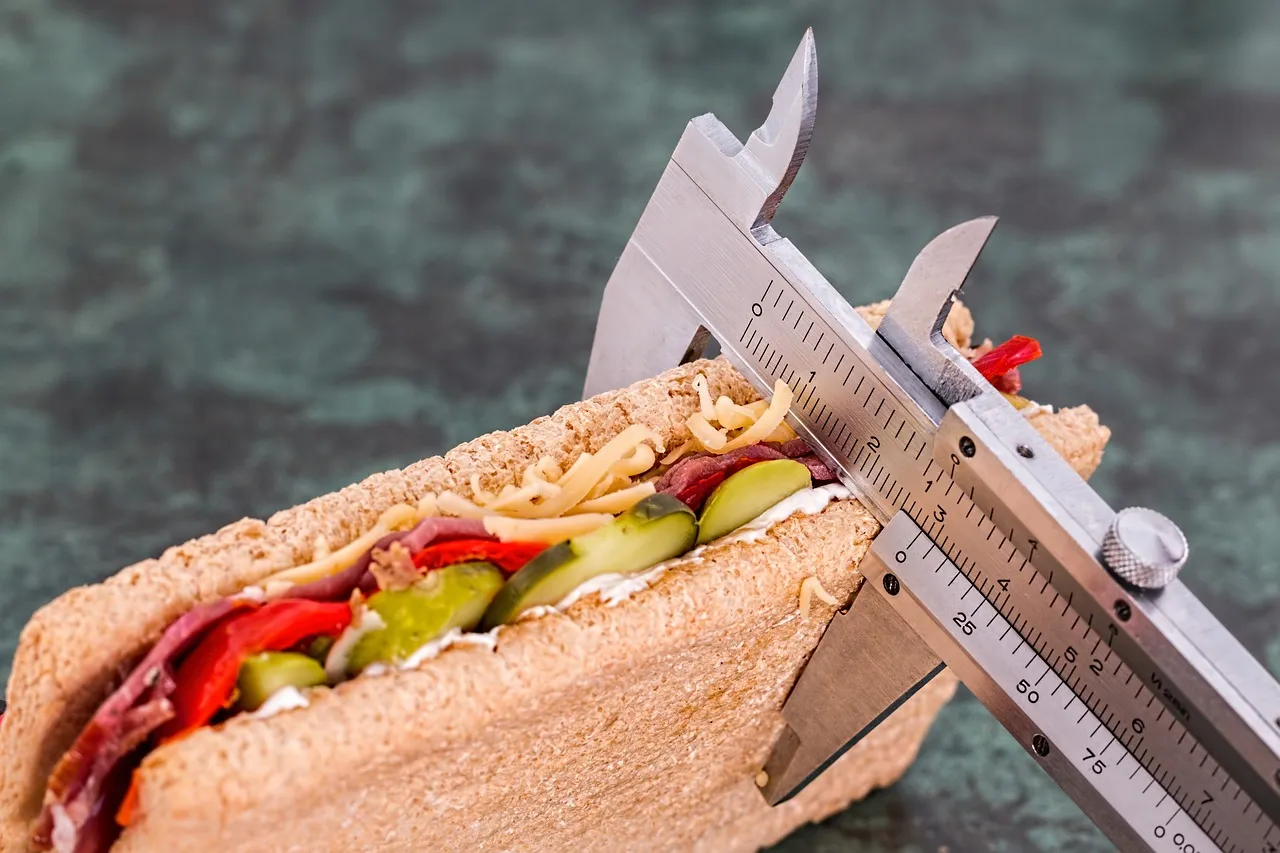
When your Weight-loss diet is making you gain weight
In the pursuit of a healthier lifestyle, many individuals adopt what they believe to be a wholesome, nutritious diet.
Read article →
Nurturing Health: A Guide to Managing Childhood Obesity
In an era marked by technological advancements, the issue of childhood obesity has emerged as a concerning global health challenge.
Read article →Comments (6)
Leave a Comment
Your comment will appear after moderation.
mehek mittra · Jun 20, 2012 12:53 PM
The article is very interesting and informative.
Shruti · Jul 08, 2020 10:53 AM
Reply
Thank You so much!
Jyotsna Rai · Aug 16, 2020 04:28 PM
Interesting facts
Shruti · Aug 18, 2020 09:34 PM
Reply
Thank You!
hemant dhadwal · Sep 14, 2020 09:19 PM
I liked the way you explained difference between obese and healthy with illustration ...
Shruti · Sep 28, 2020 07:29 PM
Reply
Thank you!