Cholesterol 101: What you should know about it?
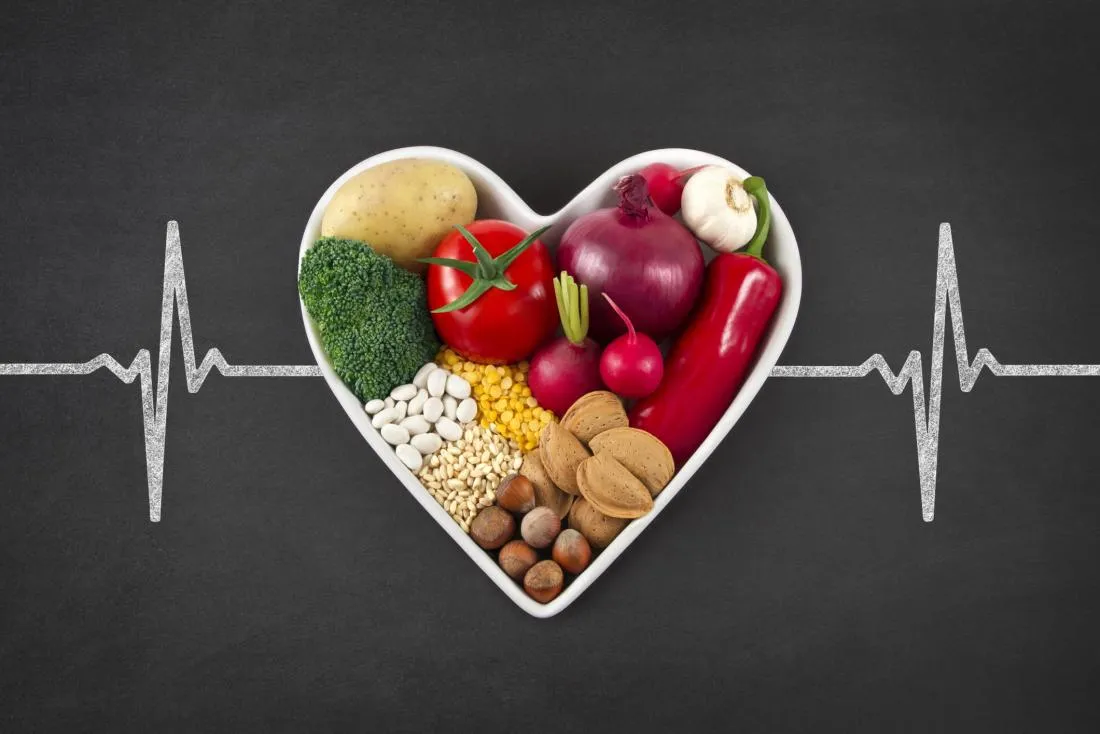
Cholesterol is a term everyone despises. But how and at what levels does cholesterol influence your health. Want to know about cholesterol?
Read on…..
What is cholesterol?
It is a form of fat our body uses to protect nerves, make cell tissues and produce certain hormones. Internally it is made by liver cells and we also get cholesterol from the food we eat (like eggs, meats and dairy products).
Do you know how many types of cholesterol are there?
Cholesterol travels through the blood in different types of bundles, called lipoproteins. Low-density lipoprotein (LDL) delivers cholesterol to the blood and High-density lipoprotein (HDL) removes cholesterol from the bloodstream. This explains why too much LDL cholesterol is bad for the body, and why a high level of HDL is good.
When should you start having cholesterol levels checked?
You can’t tell if you have high cholesterol without having it checked as there are no physical signs of the same till the levels become too high. All adults, 20 years of age and older should have their cholesterol checked every 5 years. If your cholesterol level is high or you have other risk factors for heart disease, you may need to have it checked more often.
A blood test known as a lipid profile is administered to get cholesterol checked.
What does your cholesterol level mean?
Total cholesterol
- Less than 200 mg/dL is best.
- 200-239 mg/dL is borderline high.
- 240 or more means you are at risk for heart disease.
LDL cholesterol
- Below 100 mg/dL is ideal for people at high risk of heart disease.
- 100-129 mg/dL is near optimal.
- 130-159 mg/dL is borderline high.
- 160 or more means you are at risk for heart disease.
HDL cholesterol
- Less than 50 mg/dL for women and 40 mg/dL for men increases the risk
- 60 or higher greatly reduces your risk of heart disease.
Why is a high cholesterol level unhealthy?
While some cholesterol is needed for good health, too much cholesterol in your blood can increase your risk for heart disease, including heart attack or stroke. Your body may store the extra cholesterol in your arteries (blood vessels). Over time, this build-up can become hard and make your arteries narrow or might even completely block an artery. If this blocked artery supplies blood to the heart a heart attack can occur or stroke in case this blocked artery supplies blood to the brain.
What can I do to improve my numbers?
It is a good idea to have your cholesterol checked regularly if there is a problem. Here are some steps you can take to improve your cholesterol levels:
- If you smoke, quit.
- Exercise regularly. Brisk walking for 30 minutes/day is a good goal
- Lose weight if needed. Losing just 2.5 to 4.5 kg will show favourable changes in your lipid profile.
- Avoid saturated (red meat, whole milk dairy products, coconut oil, cocoa butter) and Trans fats (fried foods, commercially baked goods, processed foods, margarine). Moreover, limit your overall cholesterol intake to less than 300 mg per day and 200 mg if you have heart disease.
- Eat a low-fat, low-cholesterol diet with plenty of fresh veggies, whole grains, and fruits
- Include a good amount of ?-3 and ?-6 fatty acids in the diet as food (flaxseed, walnuts, lettuce, broccoli, spinach, pumpkin seeds, sesame, sunflower) or supplements
Blood pressure as well as blood glucose can affect cholesterol. If your blood glucose or blood pressure is high, your cholesterol numbers may be high as well.
Do I need to take medicines to lower cholesterol?
Depending on your risk factors, if healthy eating and exercise don't work to lower your cholesterol level, your doctor may suggest medicine.
Now you know about cholesterol. So talk to your doctor about whether you may be at higher risk for diabetes and heart disease. Take steps to lower your risk so you can live a longer, healthier life.

Shruti Marjara Kushwaha
Nutritionist & Founder, NutriMantra
Shruti blends evidence-based nutrition with practical Indian food guidance, shaped by experience across AIIMS, VLCC, HealthKart, research, counselling, and long-term lifestyle support.
Trying to improve cholesterol, blood pressure, or overall heart health?
Shruti can help you translate nutrition science into an Indian meal pattern that supports long-term heart health.
Frequently Asked Questions
What are some Indian foods that can help lower cholesterol levels?
How often should I get my cholesterol checked in India?
Is it true that eating eggs raises cholesterol levels?
What lifestyle changes can I make to manage my cholesterol levels in India?
Learn with Shruti


Related Articles

Omega-3 Fatty Acids & Their Impact on Brain Health
Omega-3 fatty acids have long been recognised as essential nutrients vital for overall health, with a particular spotlight on their role in brain health and co…
Read article →
Understanding Dietary Fibre: Benefits, Myths & Smart Tips
“Fibre” comes from the Latin fibra , meaning thread or filament — an apt name for this thread-like component found in plant foods.
Read article →
Heart-Healthy Checklist: What to Eat & What to Avoid
Your Simple Checklist for a Heart-Healthy Life High cholesterol can quietly build up over time and become a serious risk for heart disease, stroke, and more.
Read article →Comments (2)
Leave a Comment
Your comment will appear after moderation.
anita · Jul 10, 2012 04:04 PM
EXCELLENT ARTICLE!!!DO COME UP WITH A ARTICLE EXCLUSIVELY ON THE AMOUNT AND TYPE OF FAT TO BE USED IN CVD AND HOW LOW FAT DIETS CAN BE INTRESTING
Shruti · Jul 11, 2012 11:48 AM
Surely Anita.... Thanks for the inputs. Would post a write up on these lines soon.