The Rising Triglyceride Menace

Heart diseases are on the rise amongst Asians... blame it on our genes. Lots of studies that have been concluded or are underway have linked Asian genes with storing more fat (on the same diet and a healthier lifestyle) compared to Americans. Triglycerides (TG), found in our food and blood can create havoc with our health. Having high levels of TG in the blood (also called hypertriglyceridemia) is a common problem among Indians. When the TG levels are too high, these fats may put you at risk for heart disease, stroke and other health problems. Most often, having high triglycerides has no warning signs.
The good news: there is a simple test to find high TG and treatments are available.
It is unclear if high TG alone can cause cardiovascular disease (heart disease and stroke) because they do not directly cause the formation of plaque. Plaque is a fatty deposit that can block blood vessels and cause heart attack /stroke.
High TG can affect more than your heart and blood vessels. It can raise the risk for pancreatitis (inflammation of the pancreas: a gland behind the stomach that makes insulin) and prolonged pancreatitis can also lead to diabetes.
Who is at Risk?
Triglycerides normally increase with age. Risk factors include:
- Lifestyle: Being overweight or obese; Not getting enough exercise; Drinking too much alcohol
- Inherited
- Type 2 diabetes or the metabolic syndrome
- Pregnancy
- Medicines: like birth control pills, hormone therapy, steroids for conditions such as asthma and arthritis, Certain cholesterol-lowering drugs
Test for high triglycerides
A blood test called lipid profile measures triglycerides and cholesterol. This test should be done after fasting (not eating or drinking anything but water) for at least 12 hours. Adults should get this screening test every five years or sooner. If you have diabetes, a family history of high triglycerides, or other risk factors, you may need screening more often, according to the National Cholesterol Education Program (NCEP) Guidelines.
The NCEP defines borderline-high triglycerides as 150 to199 milligrams per decilitre (mg/dL) and high triglycerides as 200 to 499 mg/dL. Very high triglycerides are 500 mg/dL or higher. Most people with high triglycerides have levels from 150 to 999 mg/dL, which puts them at risk for heart disease. Above 2,000 mg/dL poses a high risk for pancreatitis.
Treatment for high triglycerides
The first step for lowering triglycerides is to lose weight if you are overweight, exercise often and eat a healthy diet low in saturated (bad) fat and sugar. Also, limit the amount of refined, processed grains you eat, such as white bread, white rice, and pasta made from refined flour. Include lots of fibre in the diet which helps in feeling full as well as the removal of excessive fats.
Follow your doctor’s advice about limiting the intake of alcohol, which raises triglycerides in some people. Besides these lifestyle changes, you may also need drug treatment to lower TG.
Well, it is a menace but can be menacing only if we let it be.
Image by Barbara Jackson from Pixabay

Shruti Marjara Kushwaha
Nutritionist & Founder, NutriMantra
Shruti blends evidence-based nutrition with practical Indian food guidance, shaped by experience across AIIMS, VLCC, HealthKart, research, counselling, and long-term lifestyle support.
Trying to improve cholesterol, blood pressure, or overall heart health?
Shruti can help you translate nutrition science into an Indian meal pattern that supports long-term heart health.
Frequently Asked Questions
What Indian foods can help lower triglyceride levels?
How does a sedentary lifestyle affect triglyceride levels in Indians?
Is it true that high triglycerides only affect heart health?
How often should Indians get tested for triglycerides?
Learn with Shruti



Related Articles
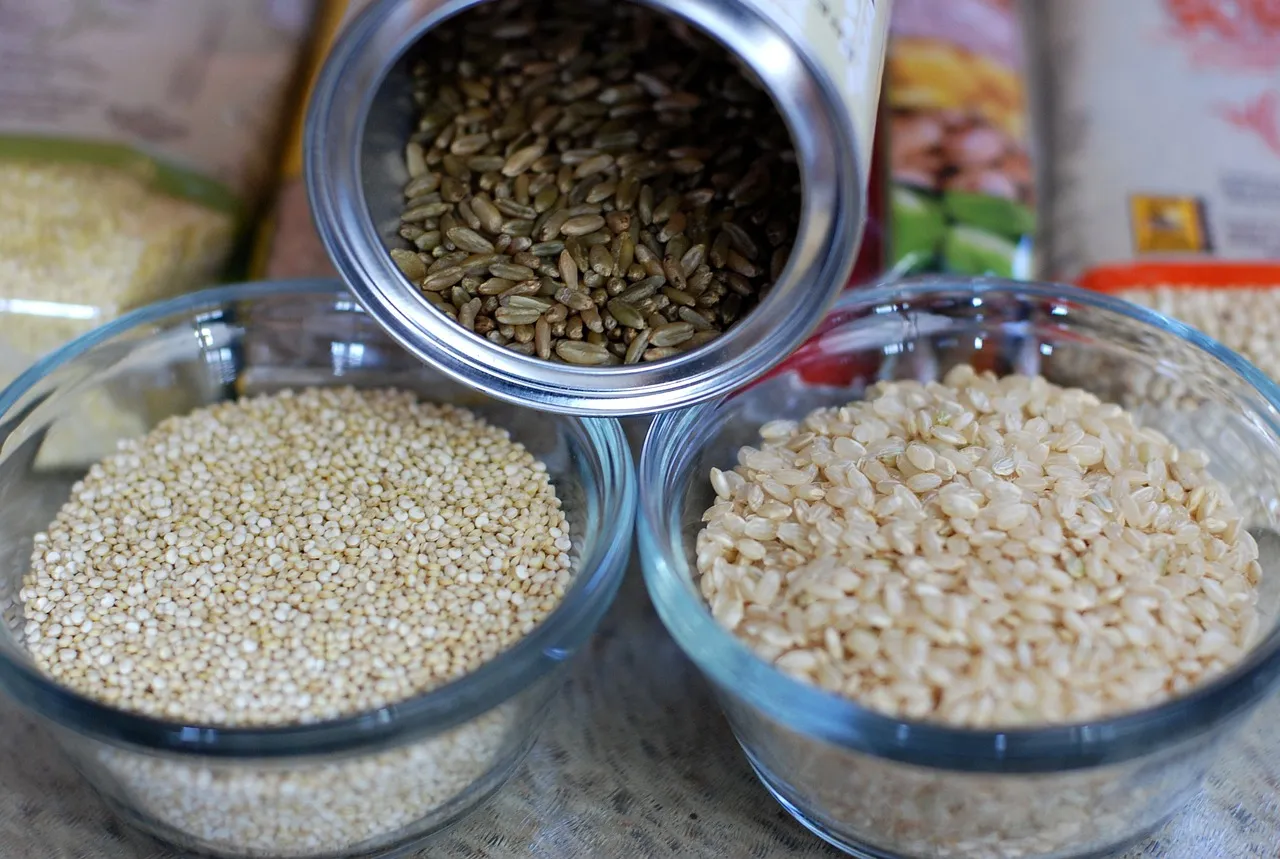
Understanding Dietary Fibre: Benefits, Myths & Smart Tips
“Fibre” comes from the Latin fibra , meaning thread or filament — an apt name for this thread-like component found in plant foods.
Read article →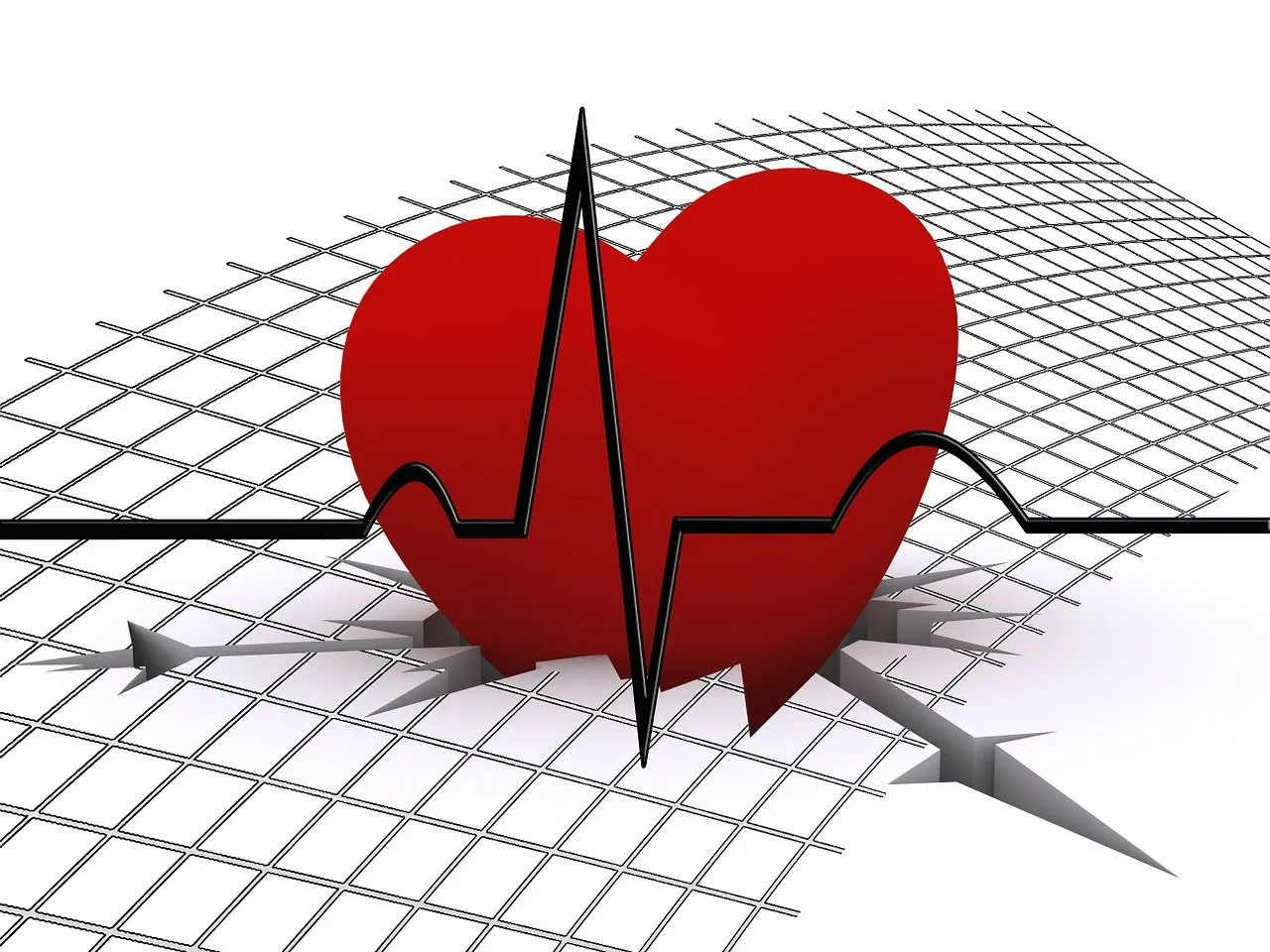
Heart-Healthy Checklist: What to Eat & What to Avoid
Your Simple Checklist for a Heart-Healthy Life High cholesterol can quietly build up over time and become a serious risk for heart disease, stroke, and more.
Read article →
Are You Cooking the Nutrition Out of Your Food?
Cooking doesn’t automatically drain nutrition. Use less water, avoid overcooking, and remember that dal, sambar and curries retain nutrients in their cooking liquid.
Read article →
Comments (0)
No comments yet. Be the first to share your thoughts.
Leave a Comment
Your comment will appear after moderation.